Porcelain Veneers Bite Correction

Cosmetic Dentistry · Patient Guide · Dr. Chirag Patel


Los Angeles Porcelain Veneers for Bite Correction


​​​​​​​Can veneers fix your bite? Every question patients ask — answered in plain language by Dr. Chirag Patel, one of Beverly Hills' most trusted cosmetic dentists. Learn what veneers can and cannot do for mild malocclusion, uneven bites, and crossbite aesthetics.

Serving Beverly Hills · Greater Los Angeles · Antelope Valley, CA · Central Valley, CA

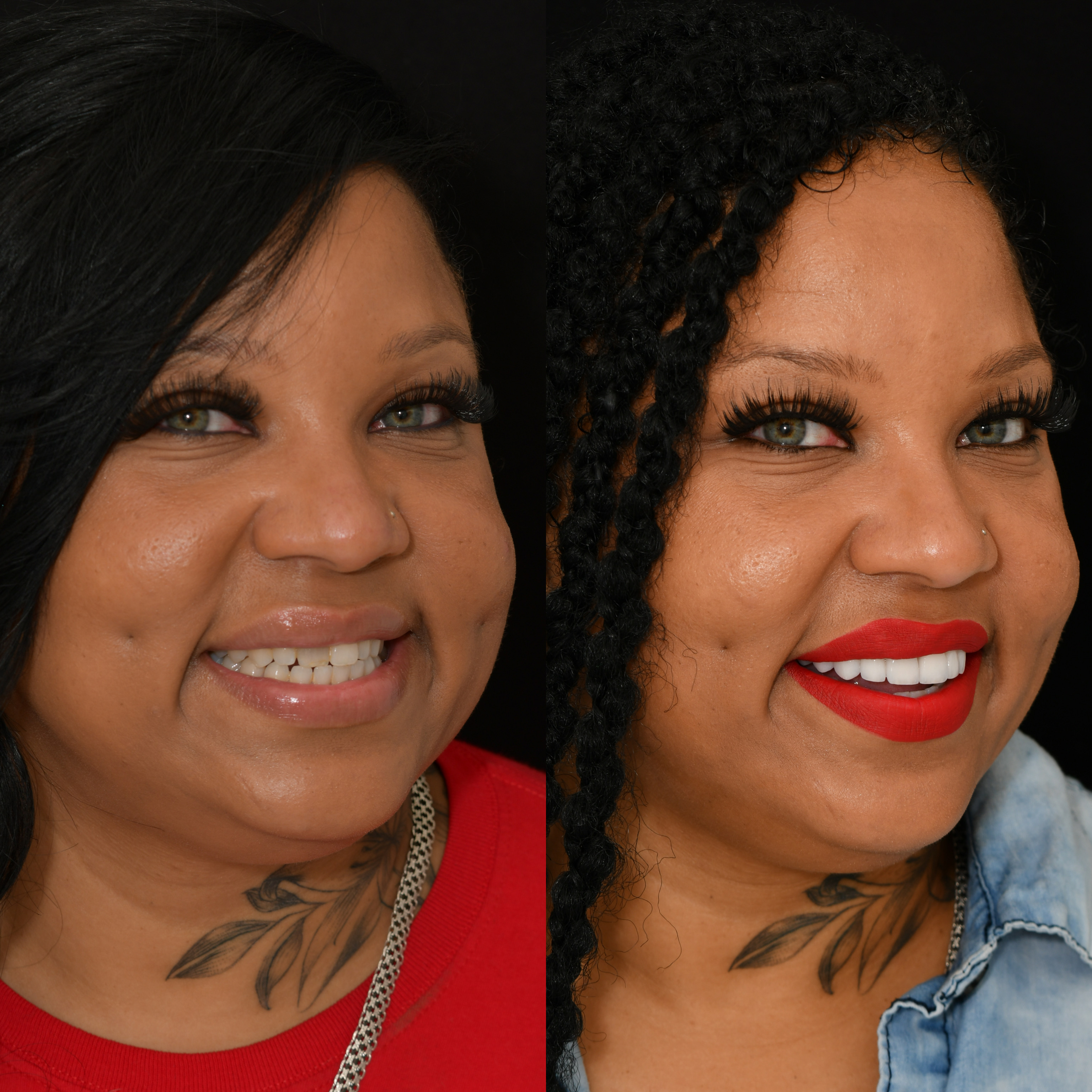
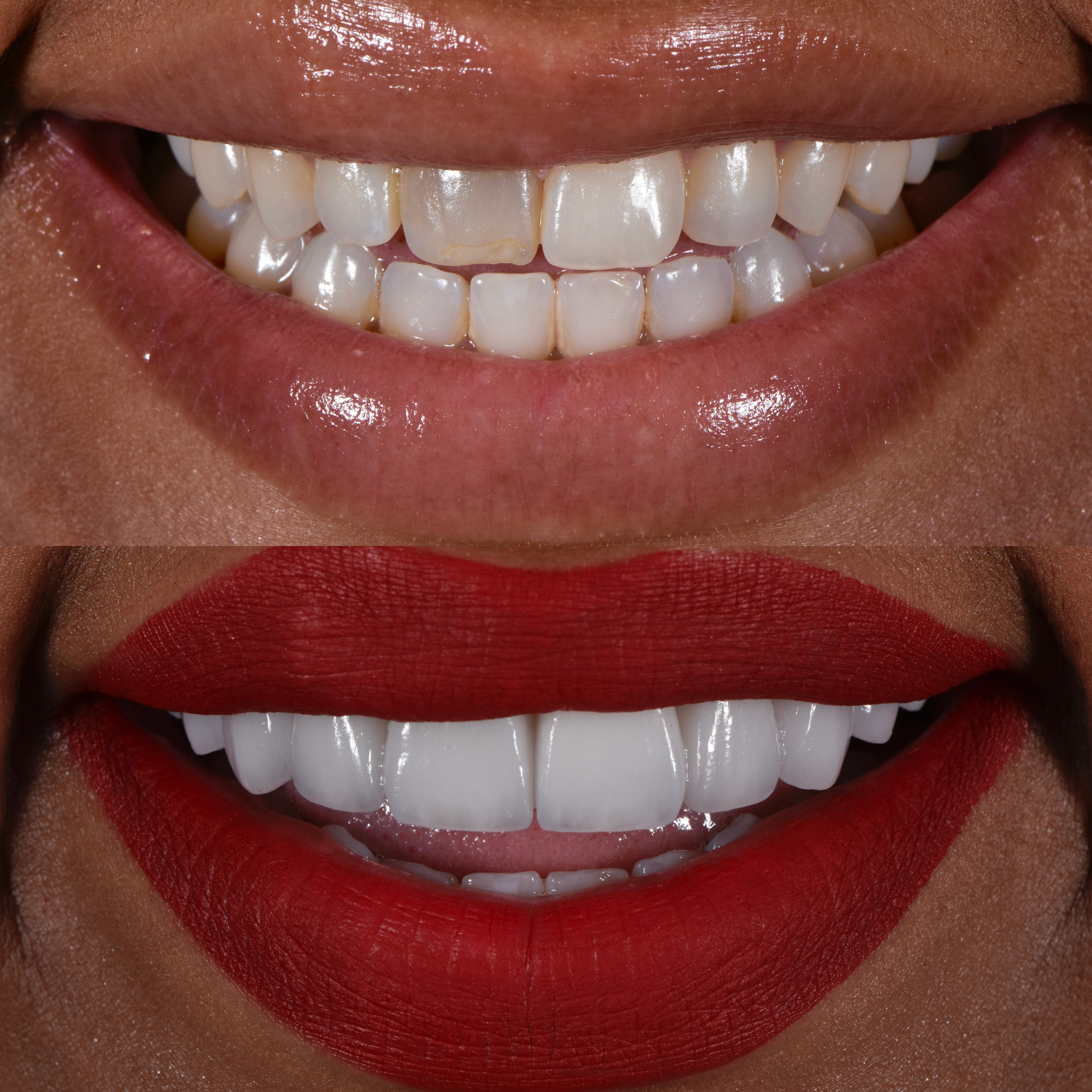
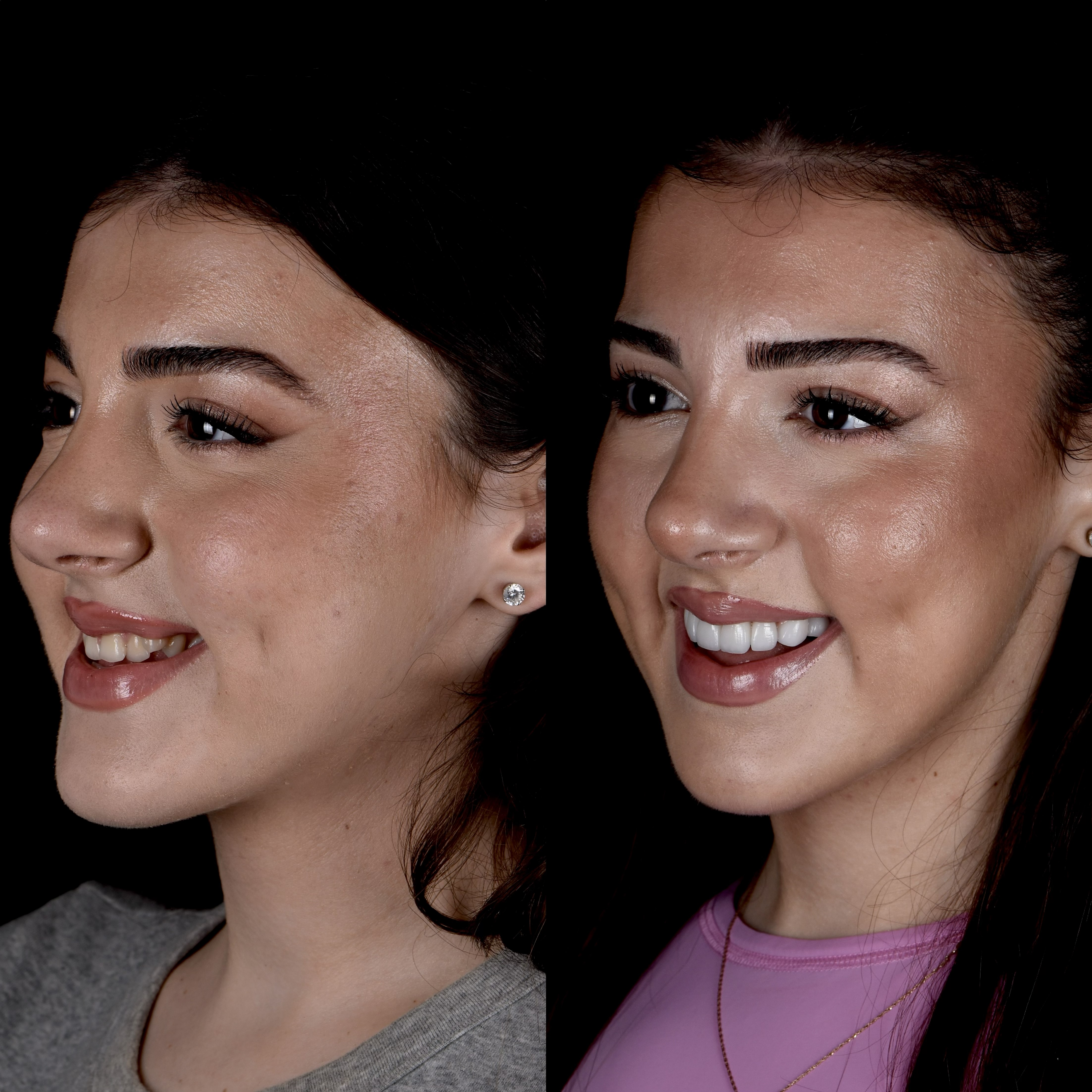
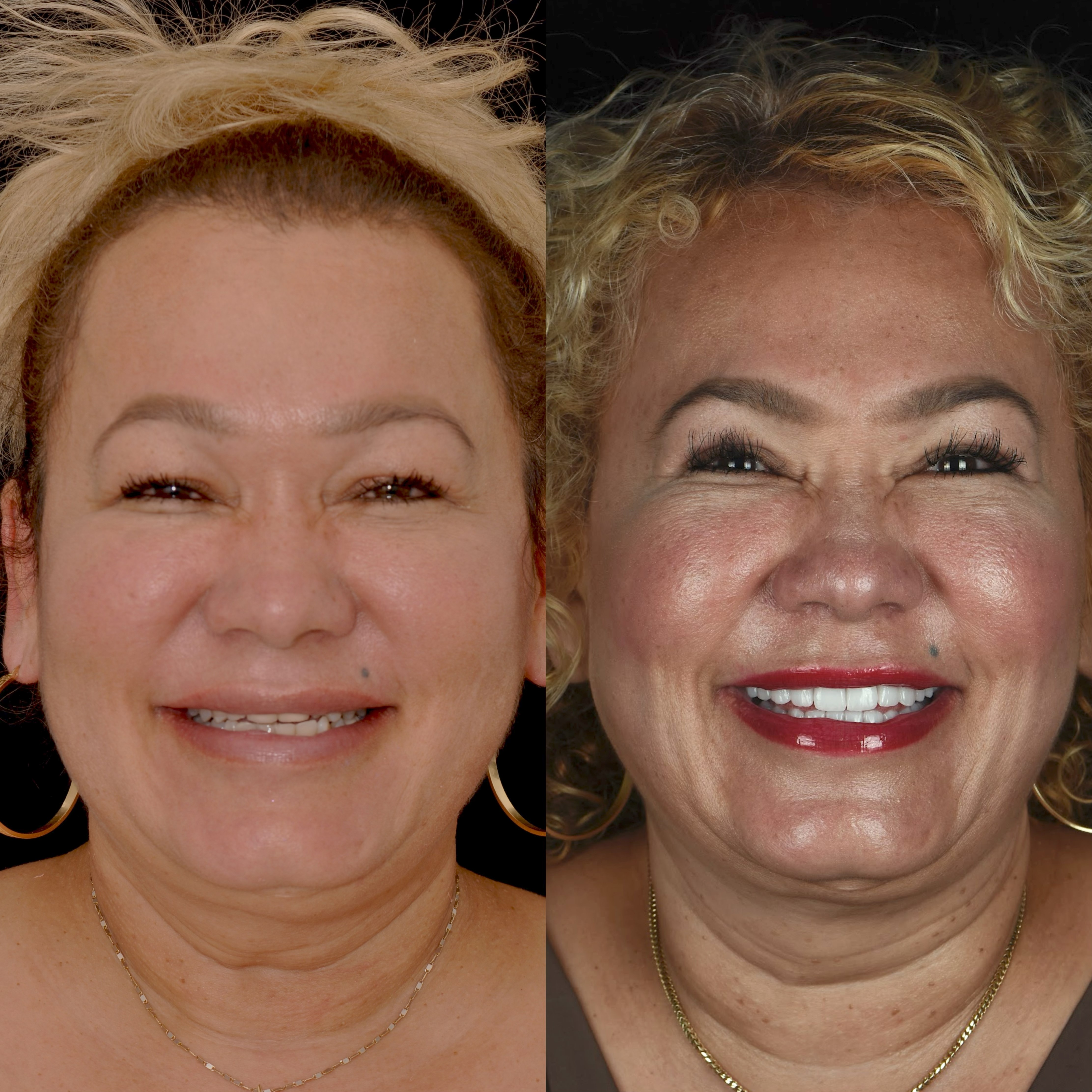
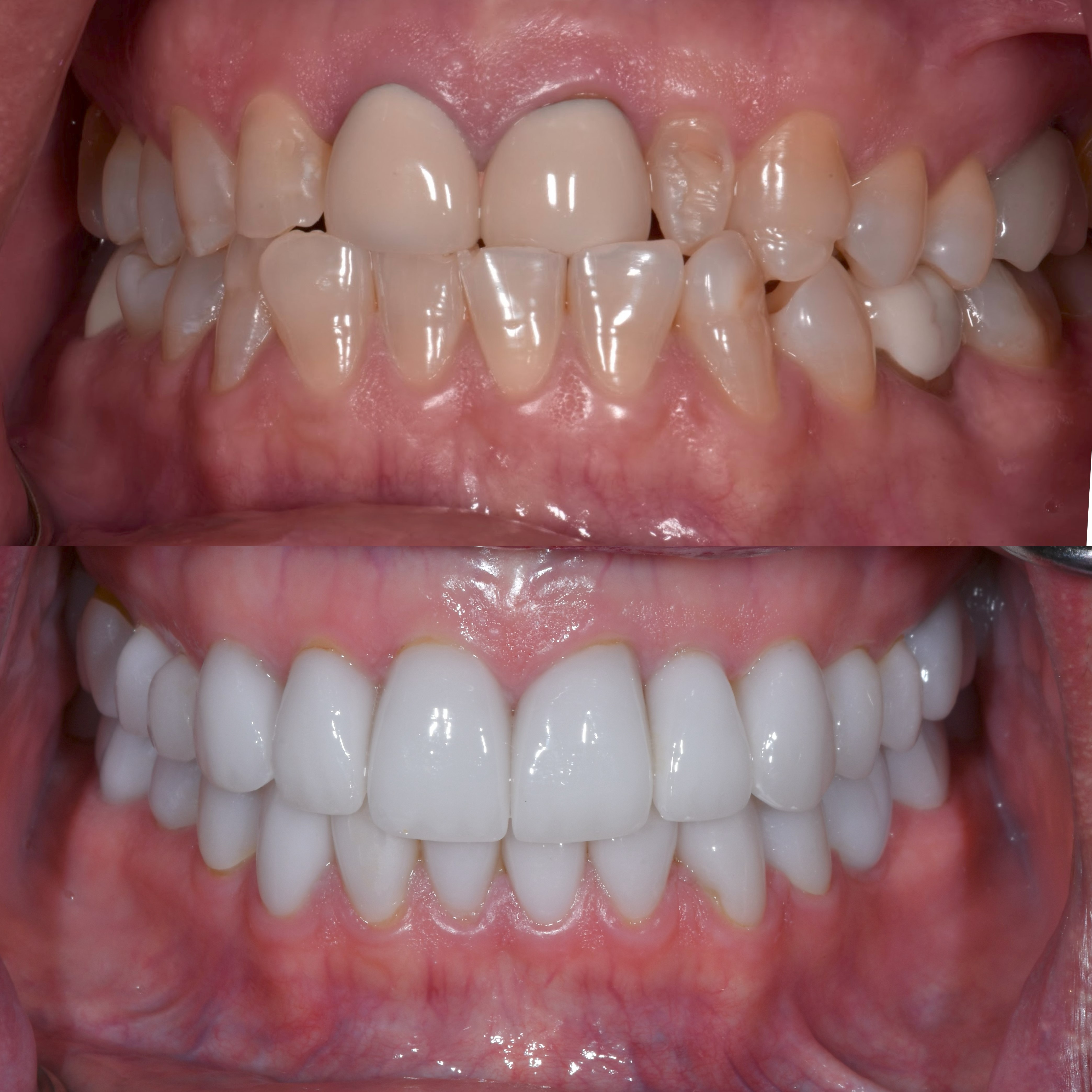
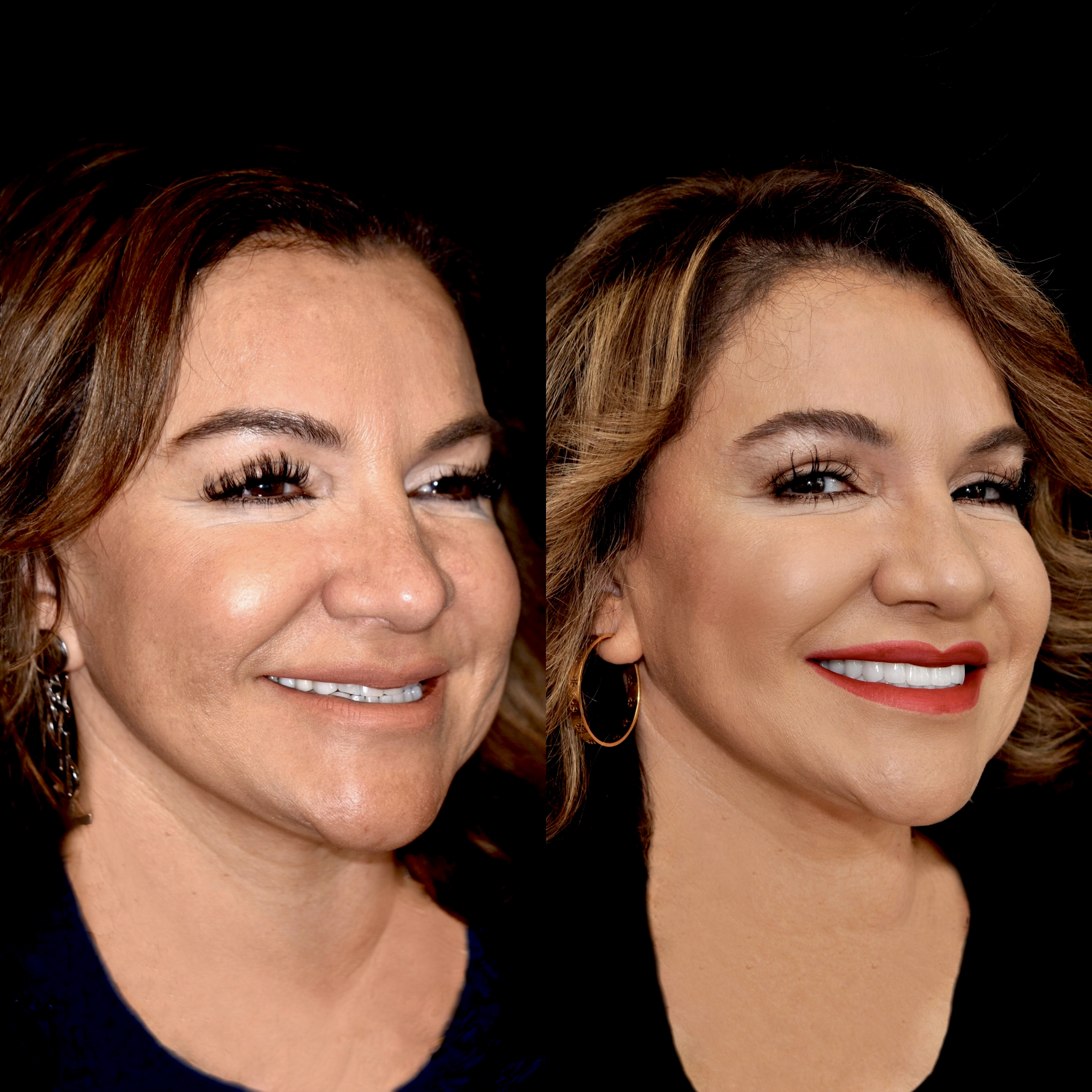
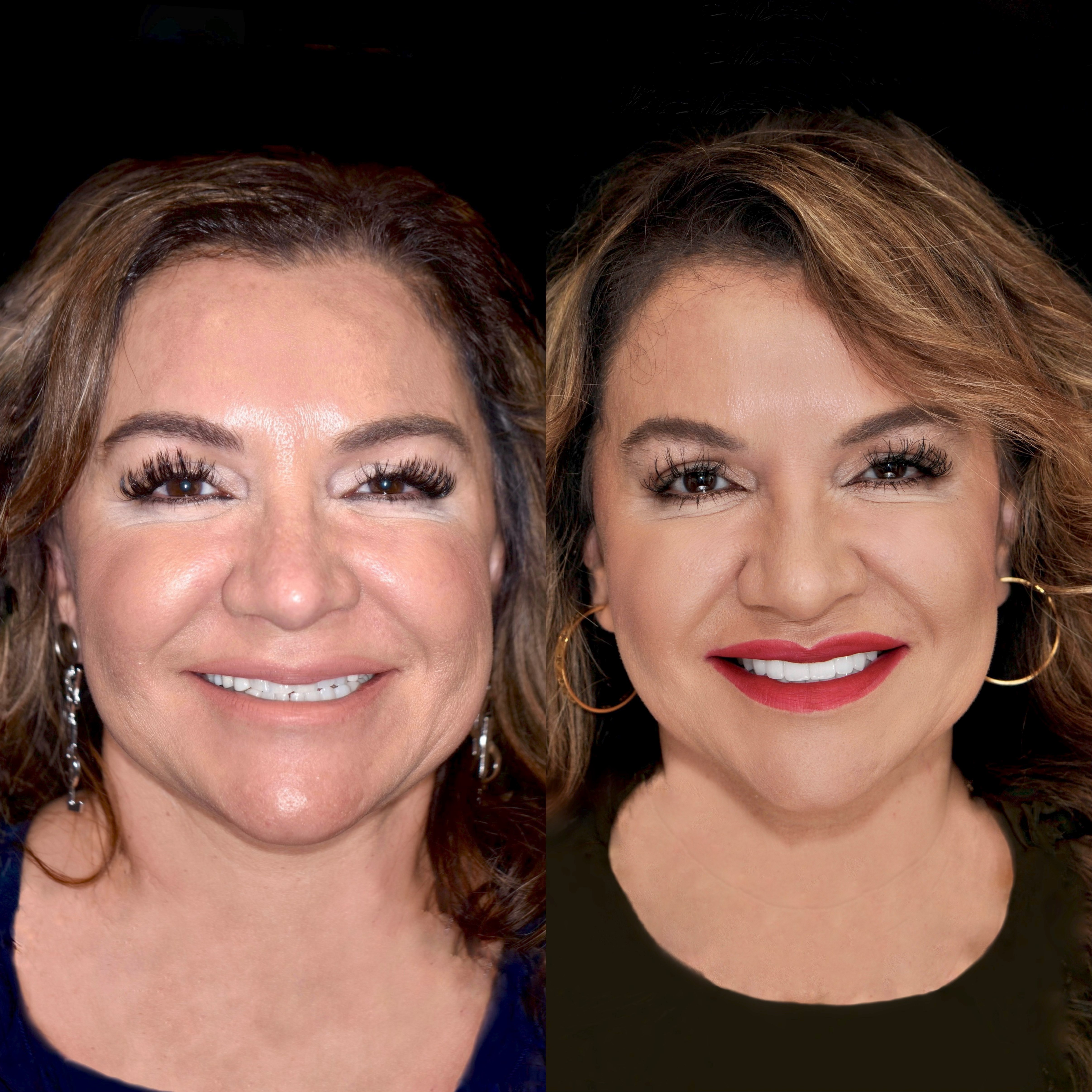
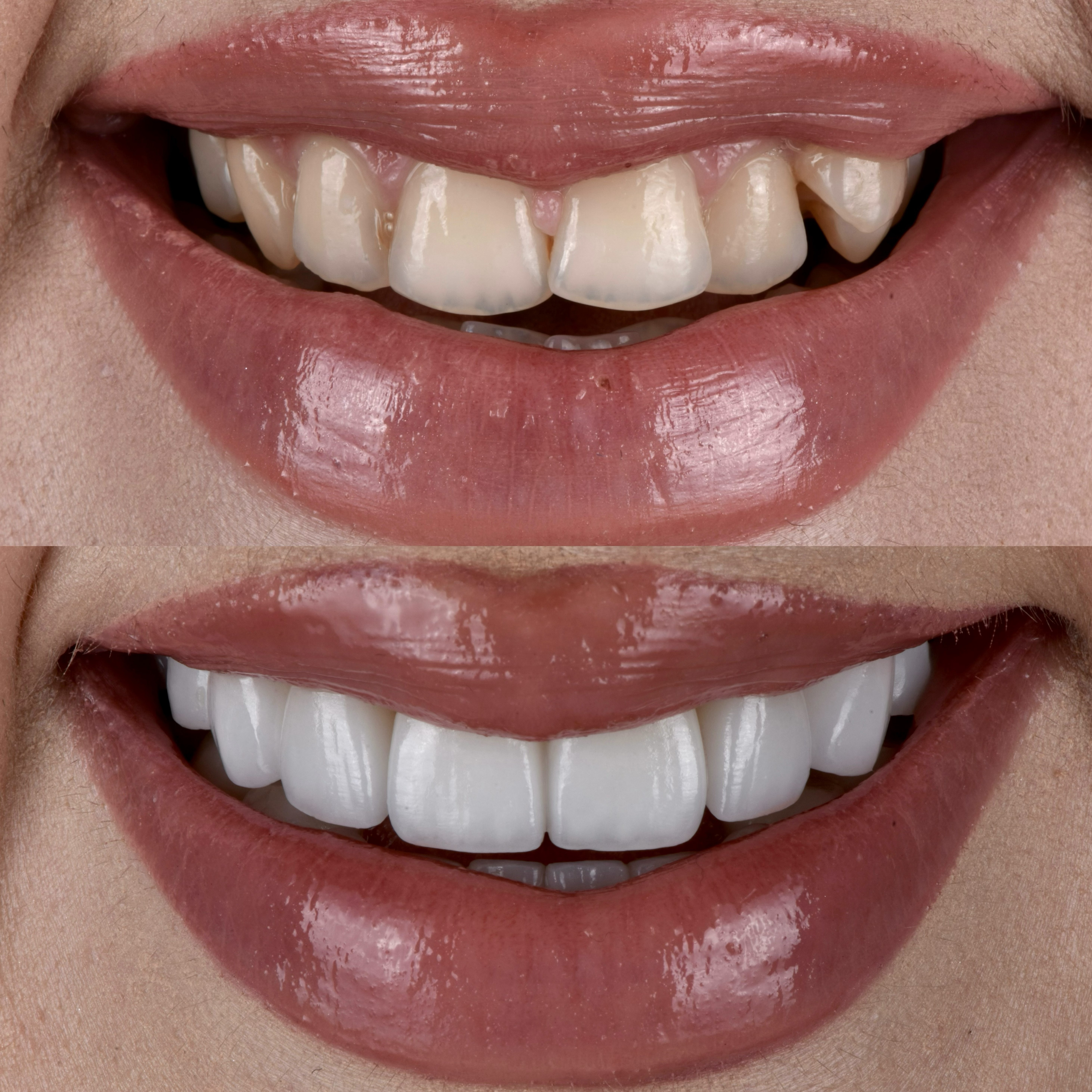
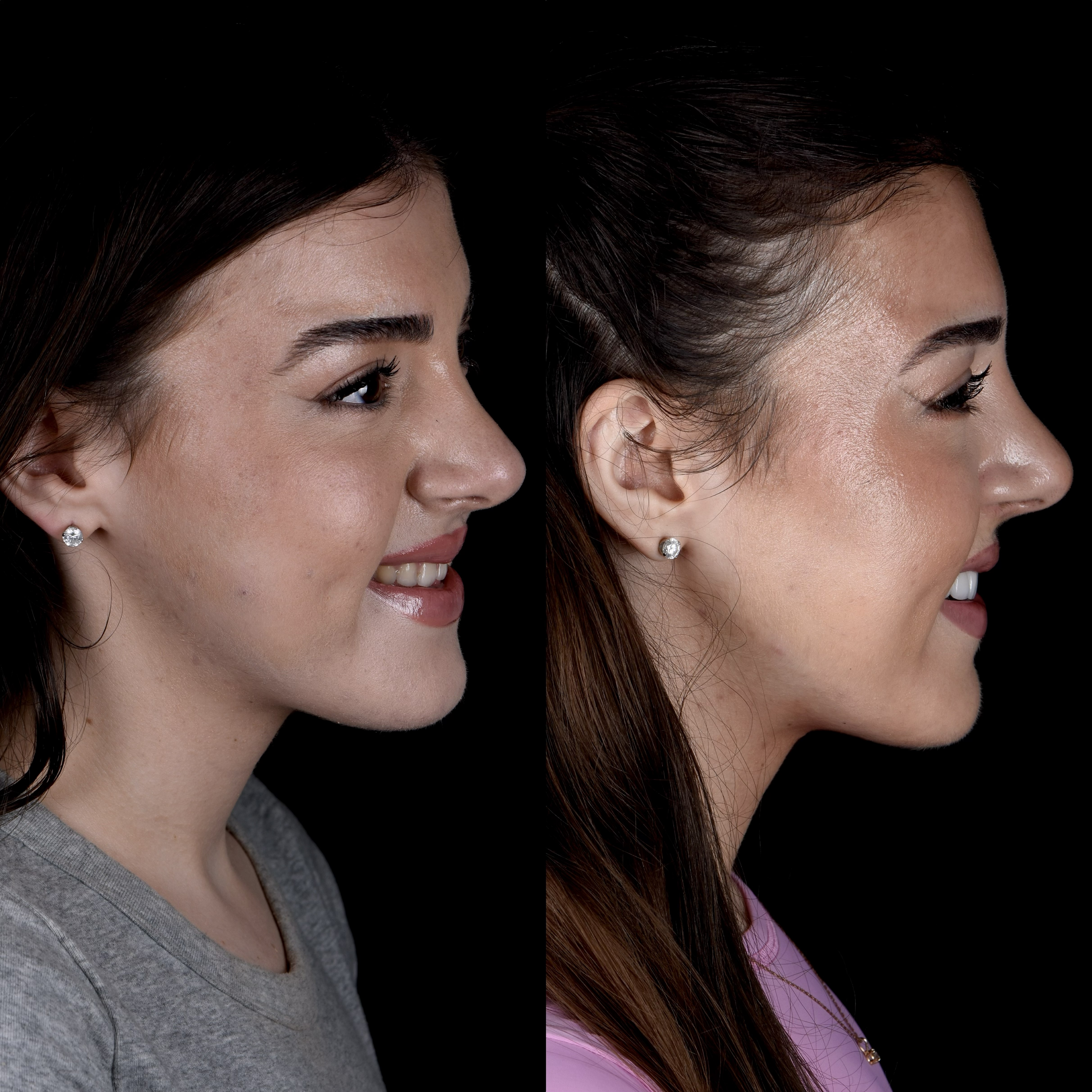
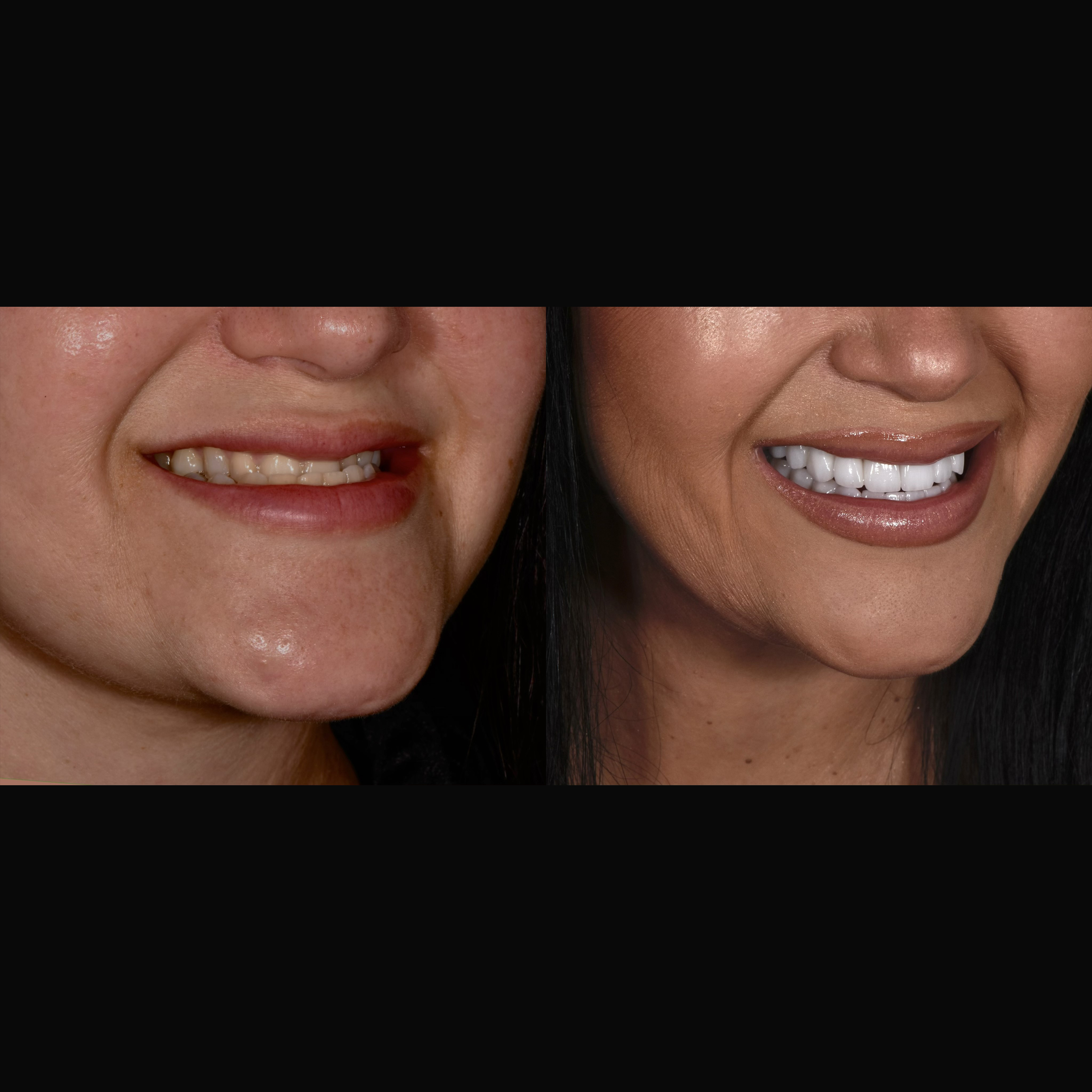
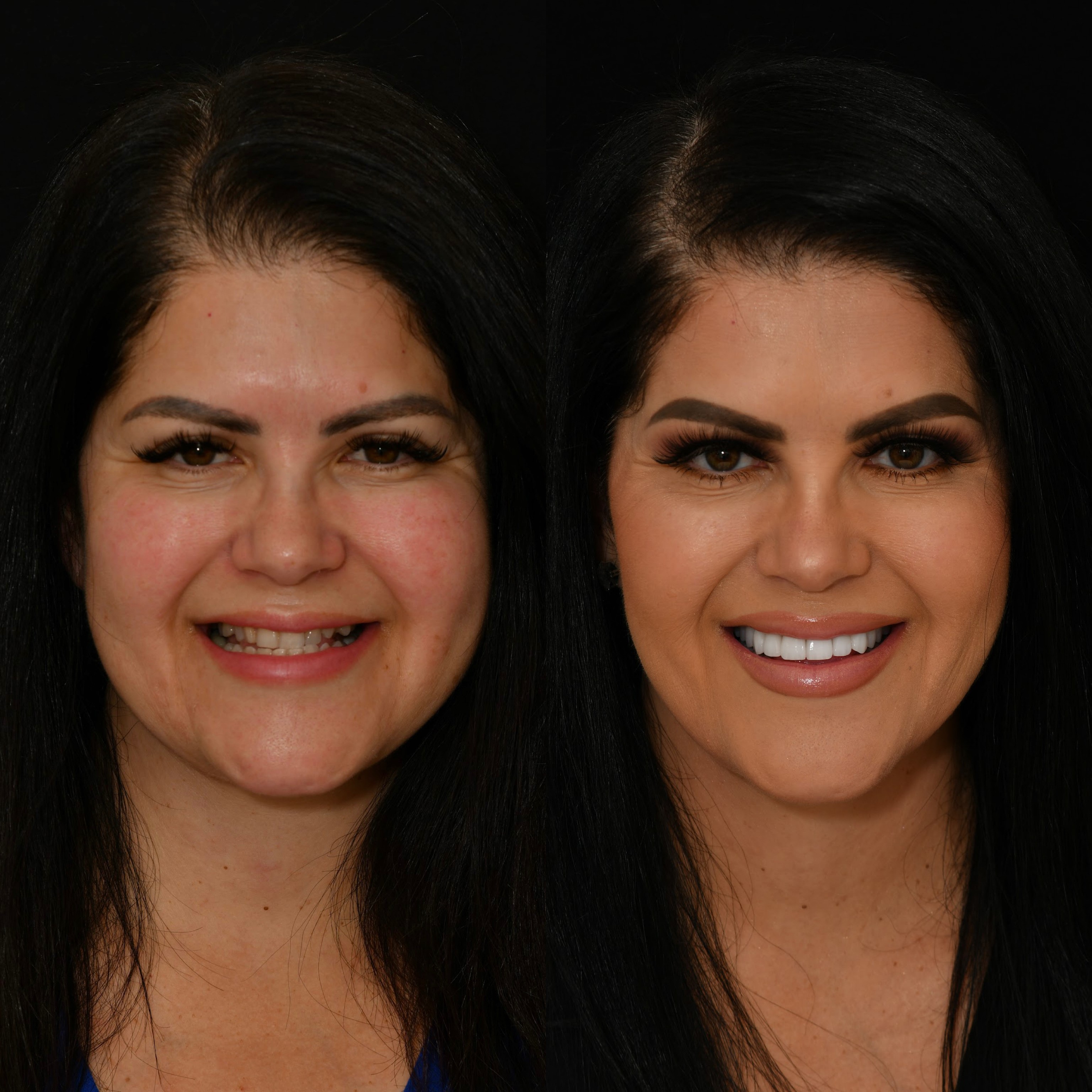
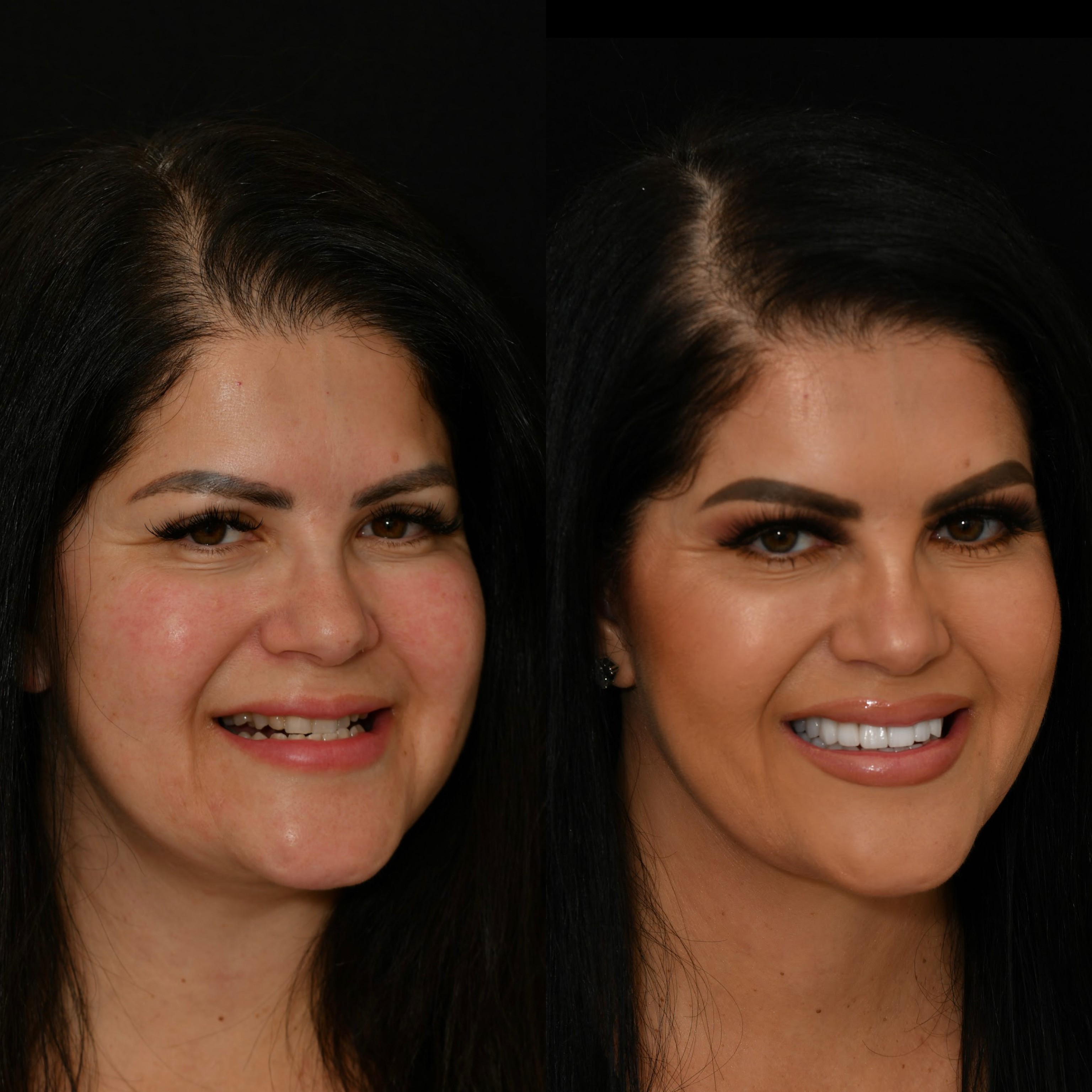
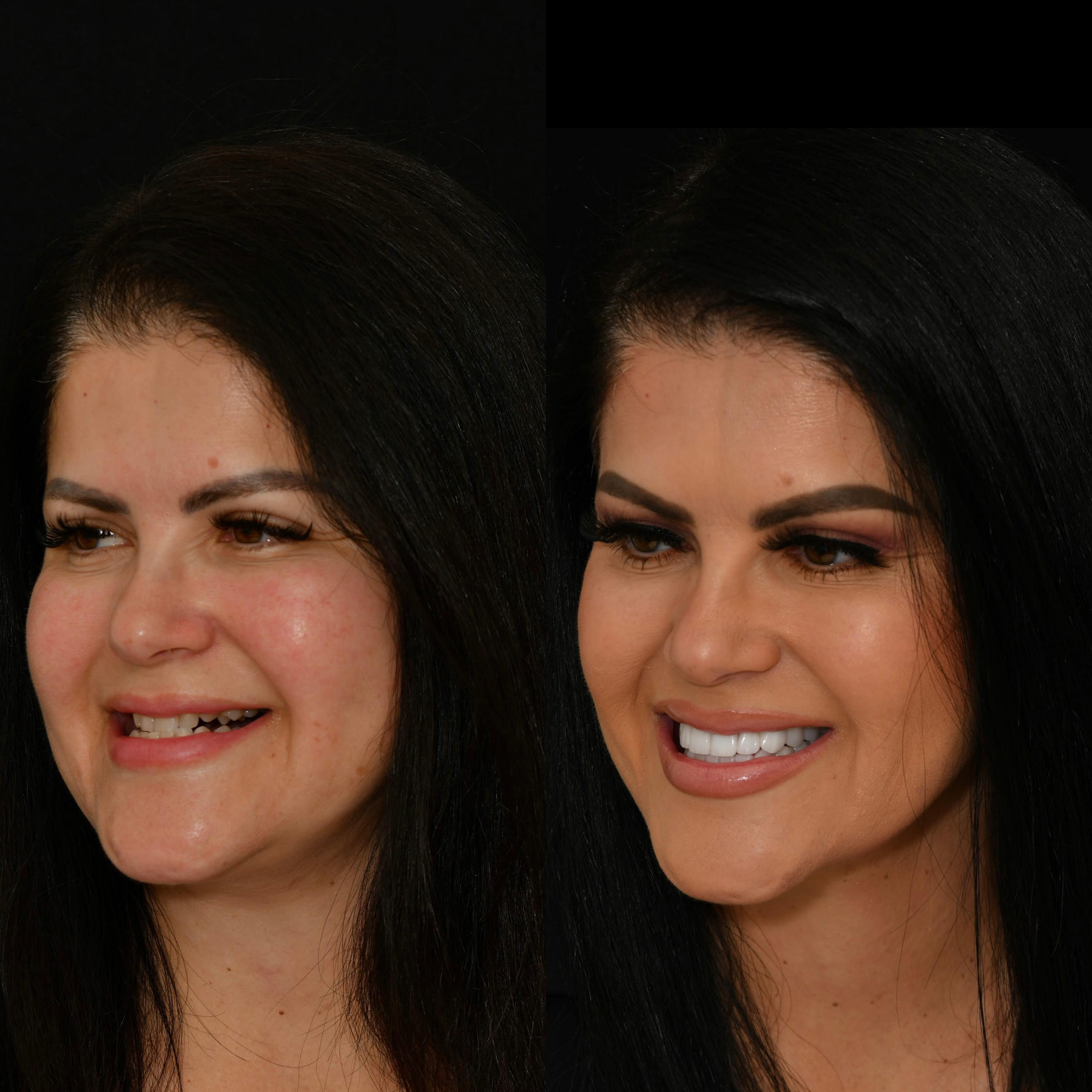
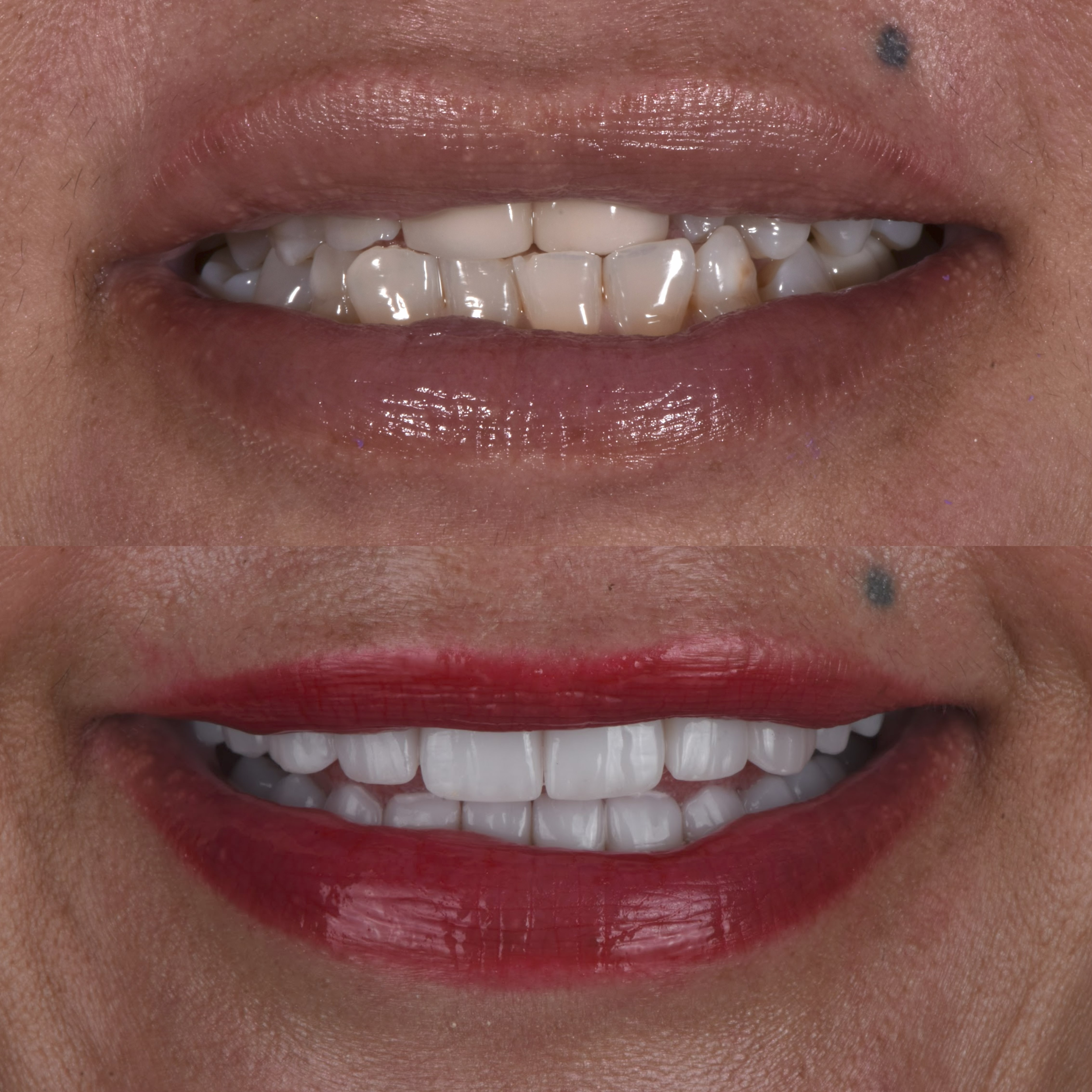
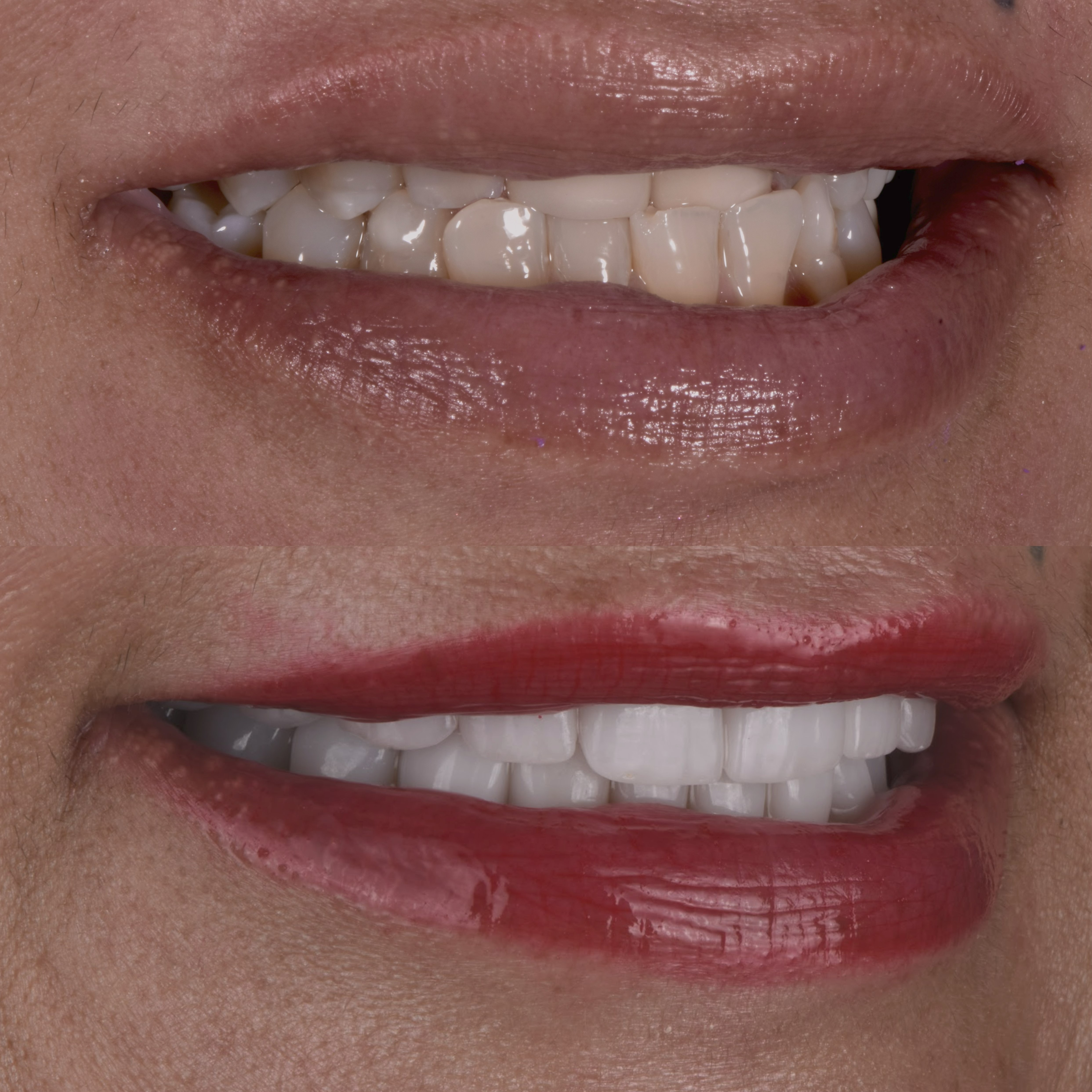
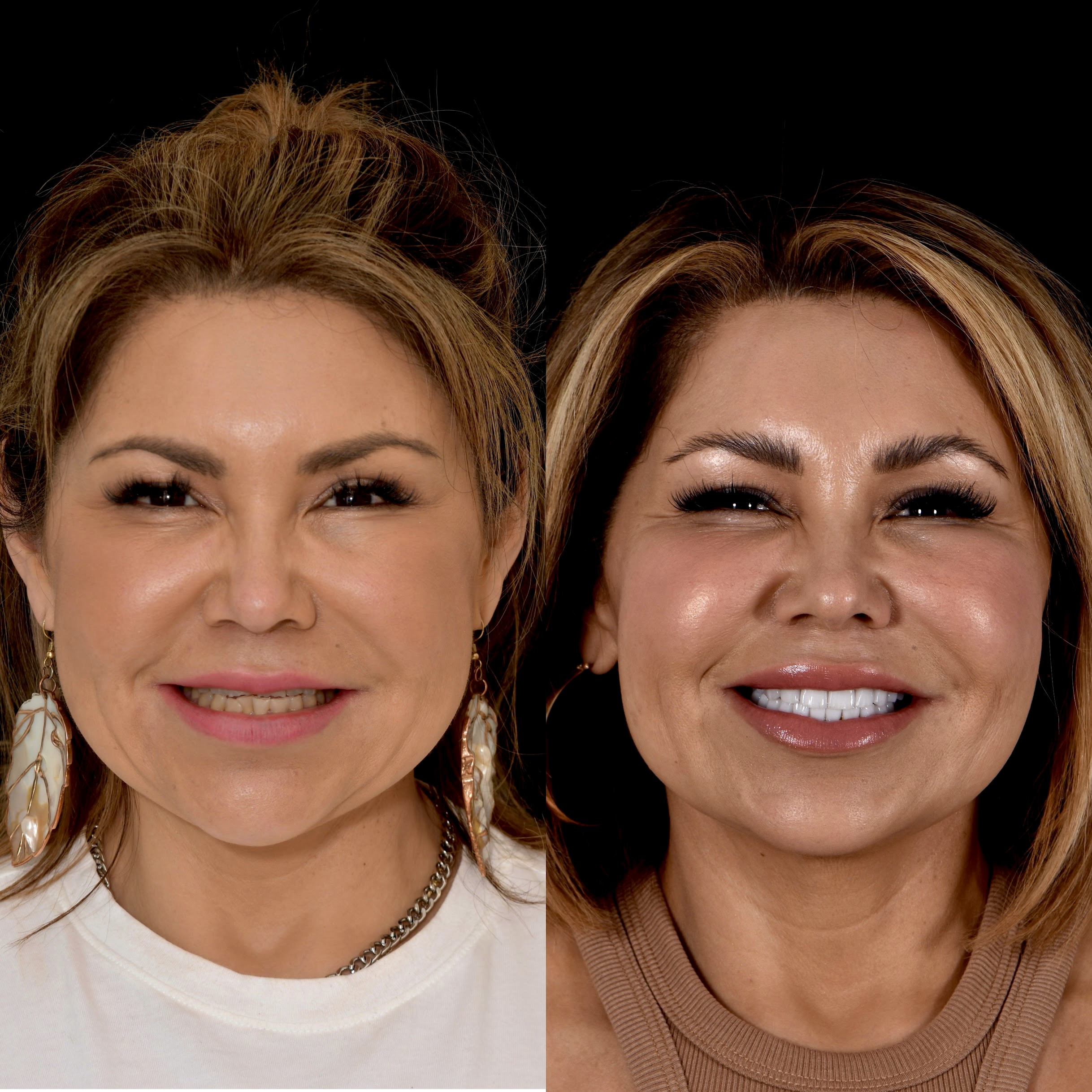
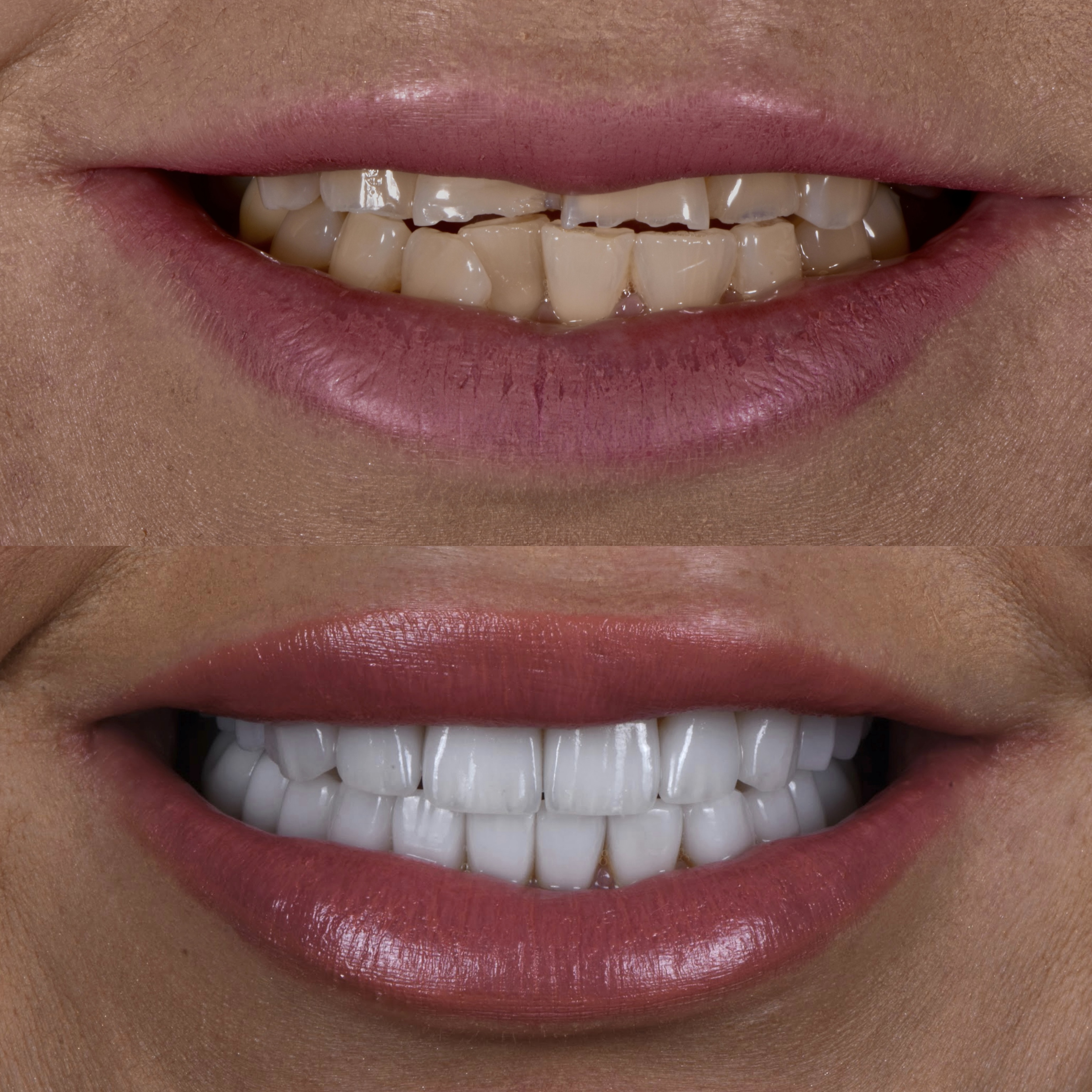
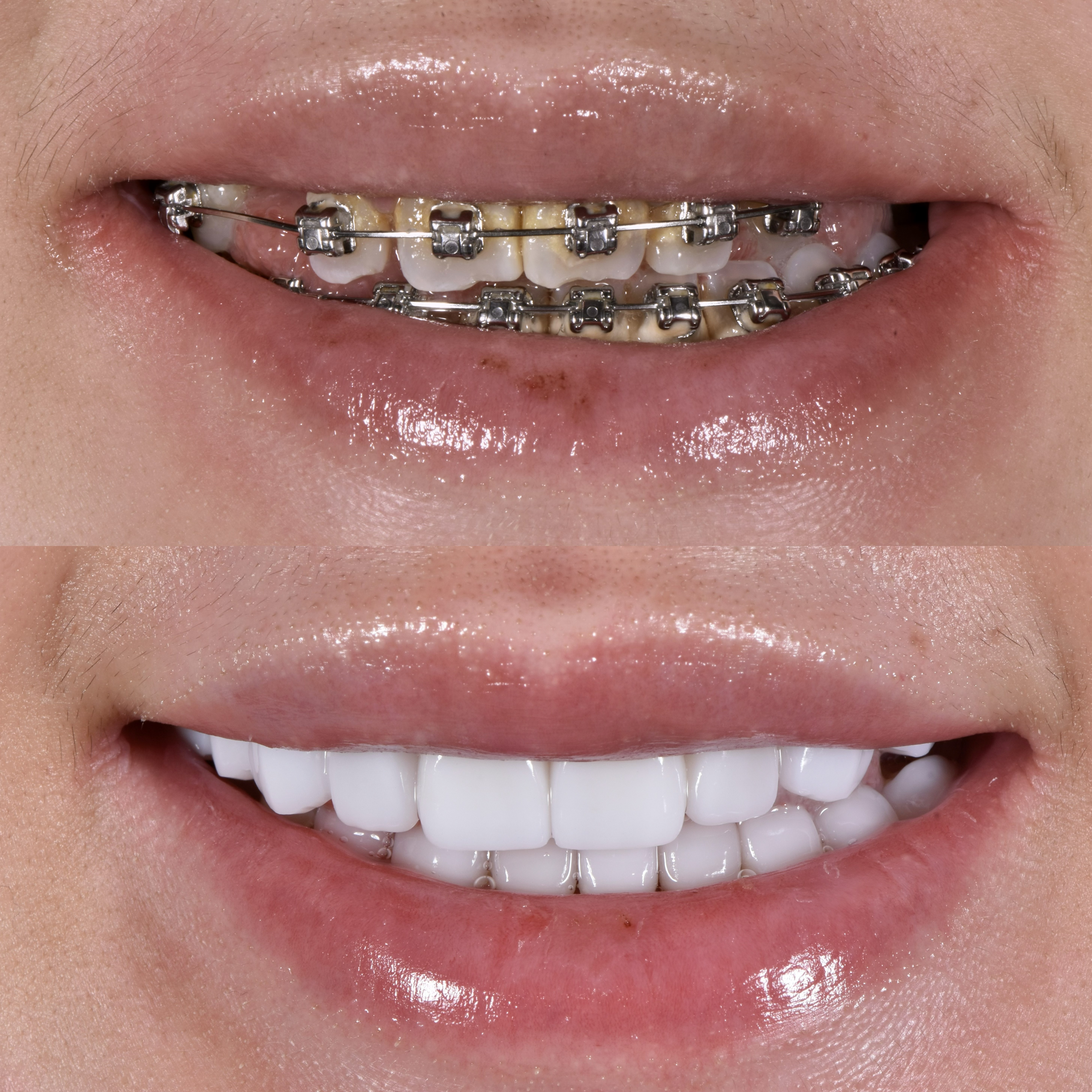
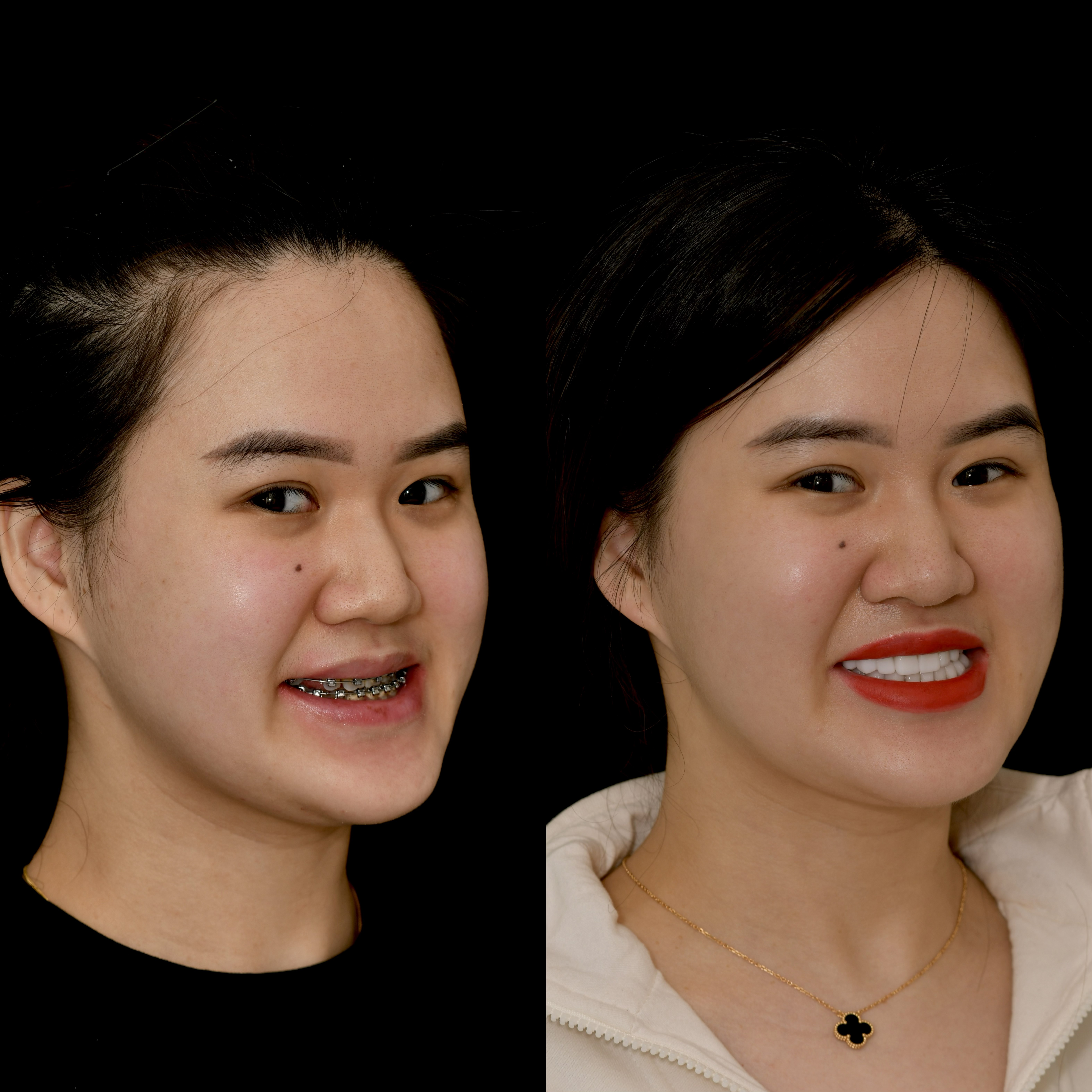

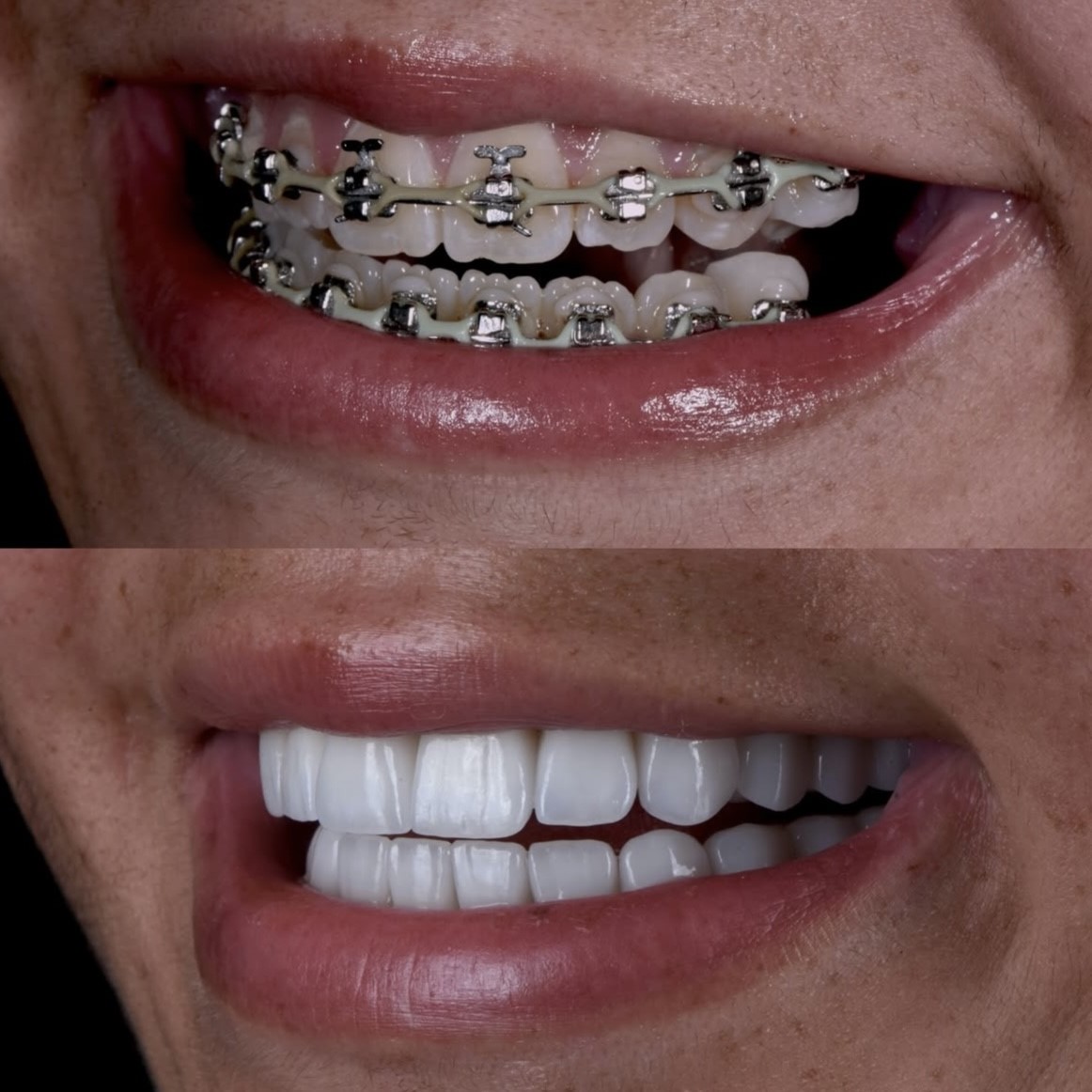
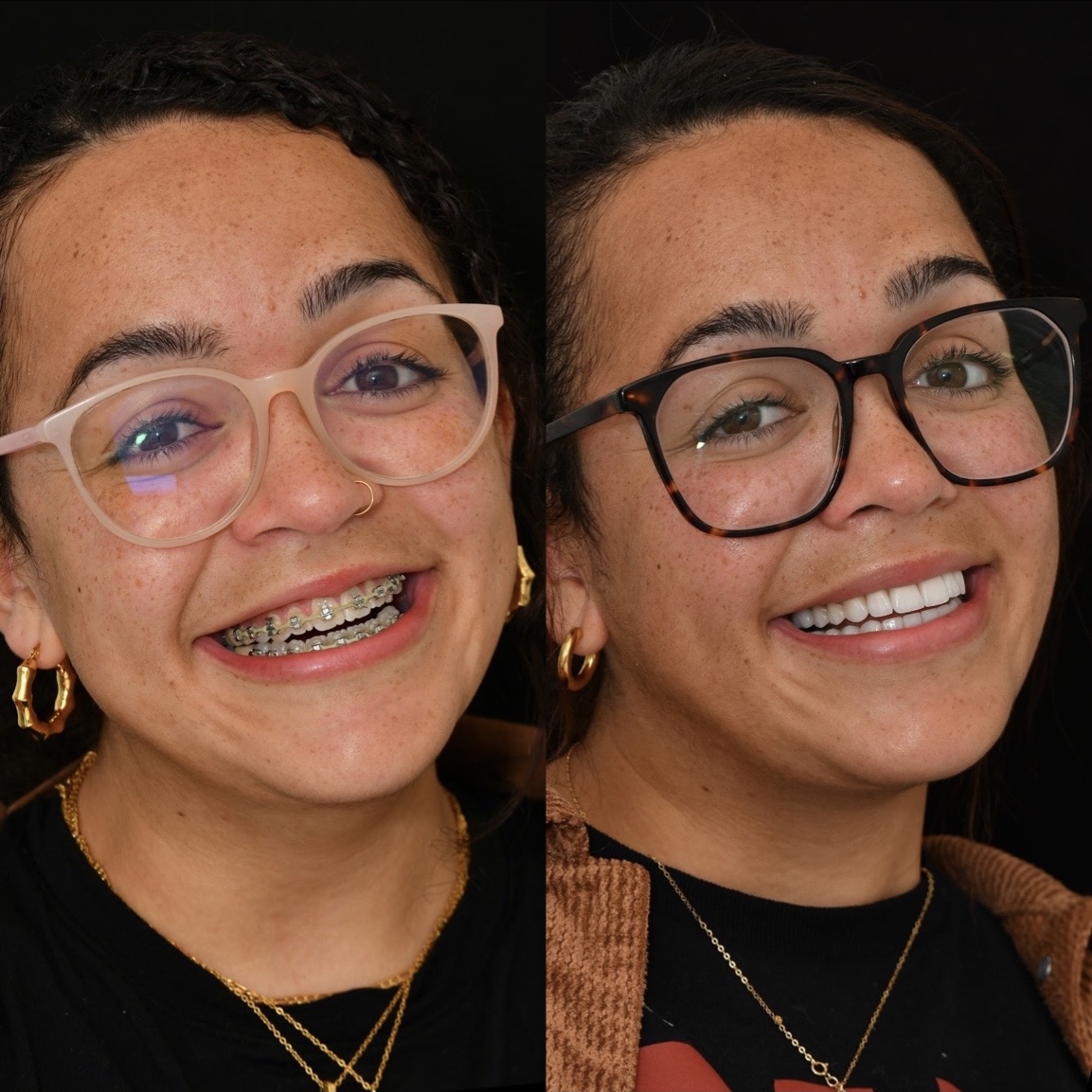
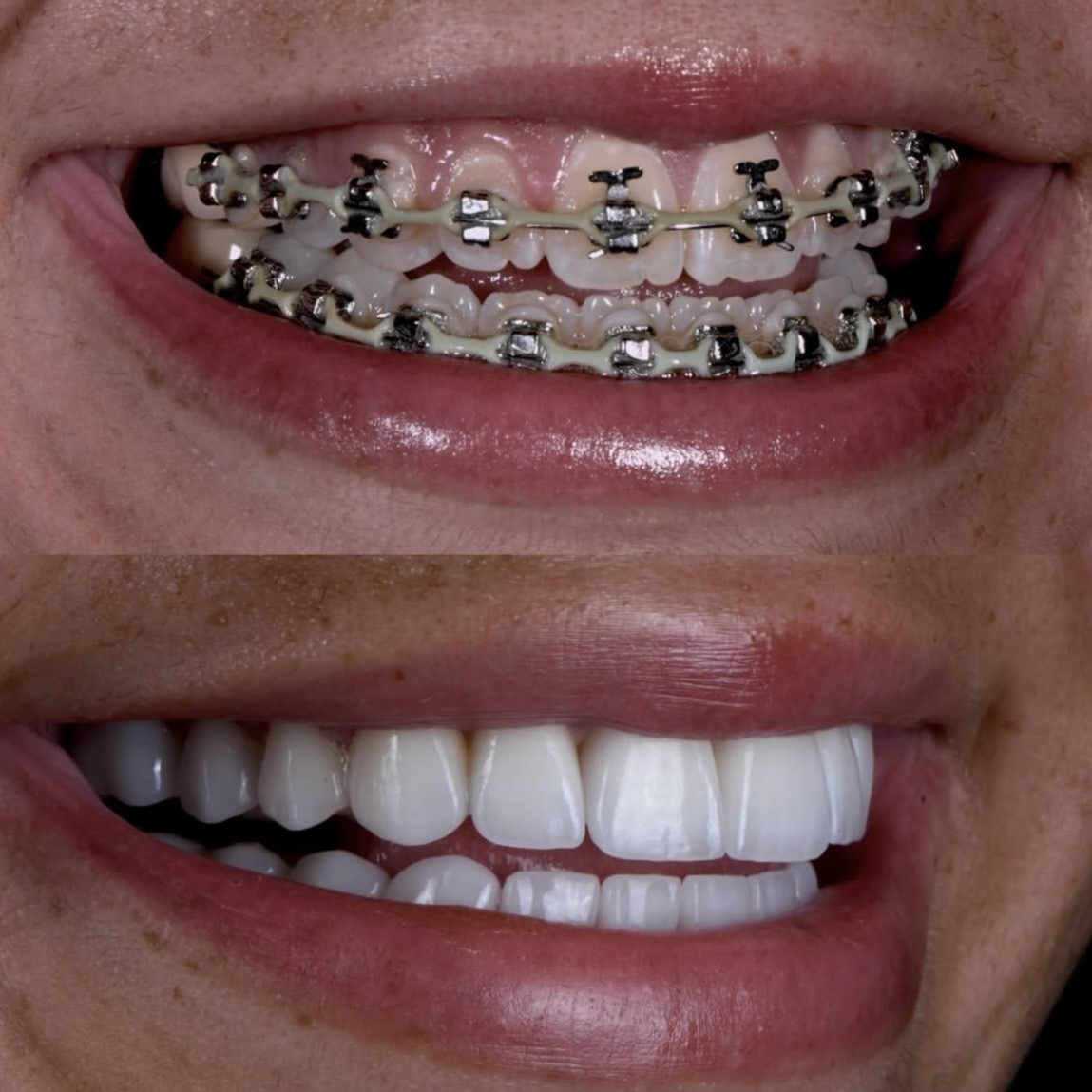
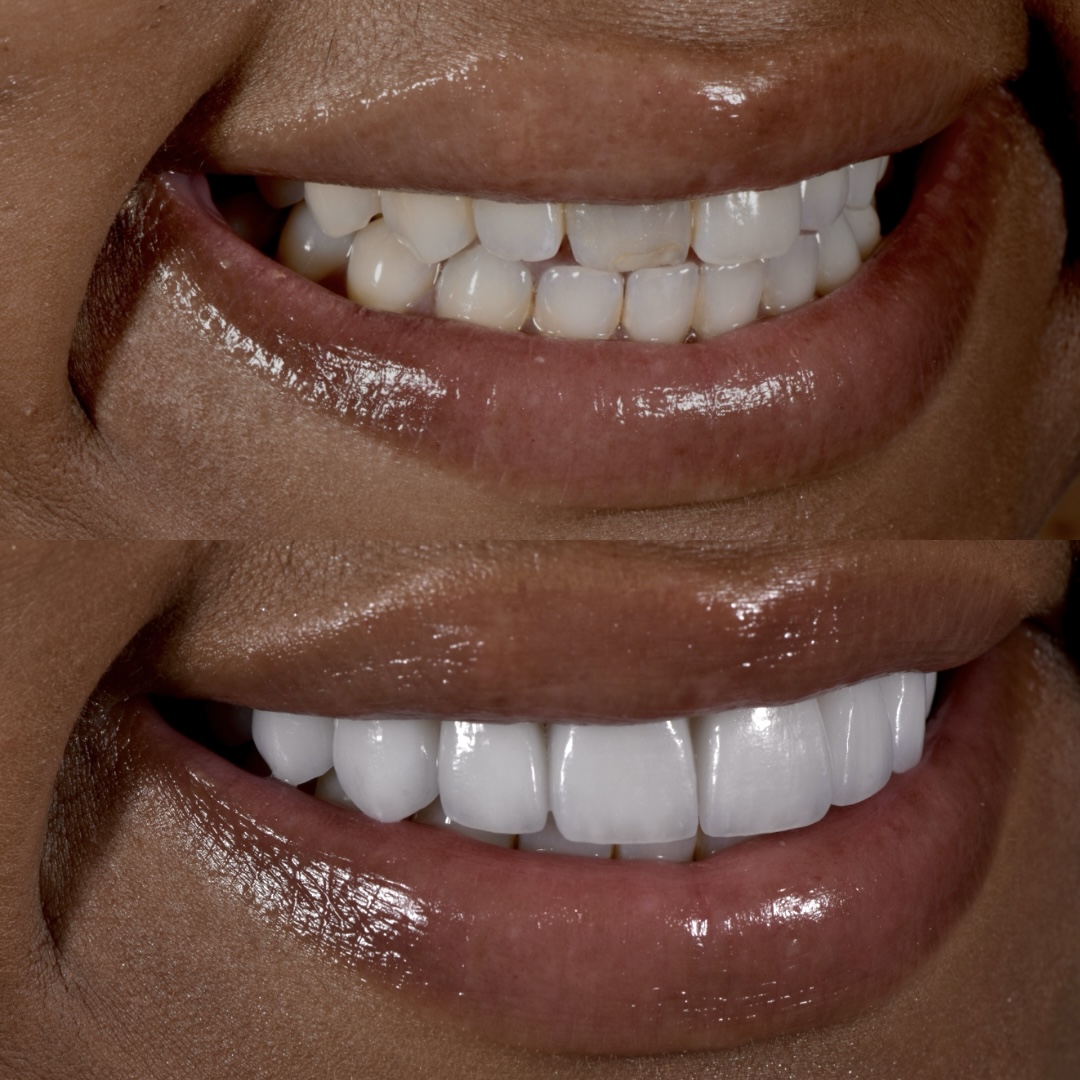
Before and after
​​​​​​​
Page Break
  • Bite Correction

  • Malocclusion Treatment

  • Smile Makeover

  • Cosmetic Bite Alignment

  • Beverly Hills · LA · OC

  • Consultation Available

Dr. Chirag Patel

Page Break

Cosmetic Dentist · Beverly Hills, California
Over 25,000 veneers placed. 14+ years in cosmetic dentistry. Trusted for bite-corrective veneer work in Beverly Hills and Greater Los Angeles that balances aesthetics with function — known for smile artistry that looks natural, not "done." Patients travel nationally for his work.

  • Digital Smile Design

  • Premium Porcelain Labs

  • Minimally Invasive Approach

  • Bite Analysis Specialist

25,000+
Veneers placed by Dr. Patel
2–5 visits
Typical treatment timeline
0.3–0.7 mm
Enamel removed per tooth
14+ yrs
In cosmetic dentistry
10–20 yr
Average veneer lifespan
Understanding Bite Problems

What is a bite problem — and is it always a dental issue?

Page Break

A bite problem — medically called malocclusion — occurs when your upper and lower teeth do not align properly when you close your mouth. The word literally means "bad bite" and covers everything from minor cosmetic irregularities to severe structural misalignment that affects chewing, speech, and jaw health.

Malocclusion ranges widely in severity. Some people have a slight unevenness to their bite line that is purely cosmetic — it does not cause pain, TMJ issues, or functional difficulty. Others have significant skeletal misalignment that affects their ability to chew, creates jaw pain, or accelerates tooth wear.

Is it always a problem? No. Many people live their entire lives with minor bite imperfections that cause no functional issues. However, even mild bite irregularities can affect the appearance of your smile — and cosmetic correction with veneers is a completely valid reason to seek treatment.

Bite problems are extremely common — the American Association of Orthodontists estimates that nearly 75% of adults have some degree of malocclusion. Most are mild and cosmetic in nature.

What causes bite problems? Why is my bite uneven?

Bite problems develop from a combination of genetic, developmental, and behavioral factors. Understanding your specific cause matters — it determines whether veneers alone can address your concern or whether orthodontic work should come first.

01 — Genetics & Jaw Structure Inherited jaw size and shape are the most common cause. If your upper and lower jaws are different sizes or shaped asymmetrically, the teeth cannot meet evenly.
02 — Childhood Habits Prolonged thumb sucking, pacifier use past age 3, or tongue thrusting during swallowing can push teeth out of alignment and reshape the developing jaw.
03 — Early Tooth Loss Losing baby teeth too early — from decay or trauma — allows permanent teeth to drift into incorrect positions as they erupt, creating bite misalignment.
04 — Crowding or Missing Teeth When there is not enough room for all permanent teeth, or when teeth are missing, the remaining teeth shift and tilt — disrupting how the upper and lower arches meet.
05 — Jaw Injuries Fractures or trauma to the jaw during childhood or adulthood can alter jaw position permanently, creating a bite that no longer aligns properly.
06 — TMJ Disorders Temporomandibular joint dysfunction can shift the jaw's resting position over time, changing how teeth come together and creating an uneven bite.
07 — Tooth Grinding (Bruxism) Chronic clenching and grinding wears down tooth surfaces unevenly, gradually changing the bite relationship and making certain teeth shorter than others.
08 — Uneven Wear & Erosion Acid erosion, abrasive toothpaste, or aggressive brushing can wear down enamel unevenly across the arch — creating a bite that looks and feels off even if the underlying alignment is fine.

Why does the cause matter for treatment? If your bite issue is skeletal (jaw-related), veneers alone cannot fix it — orthodontics or surgery may be needed first. If the issue is dental (tooth shape, wear, or minor misalignment), veneers can often create an excellent cosmetic correction on their own. Dr. Chirag Patel, a top-rated cosmetic dentist in Los Angeles, always performs a 360-degree full bite analysis using a 3D scan before recommending a treatment plan.

What are the different types of bite problems?

Bite problems fall into several categories. Understanding which type you have determines whether veneers are a standalone solution or will be a part of a combined treatment plan. In an ideal occlusal teeth relationship, the top teeth cover between one third and one half of the lower teeth:

  • Overbite (deep bite): Overbite is an occlusal relationship between your upper teeth and lower teeth when a patient is biting down. Overbite is when upper front teeth overlap the lower front teeth excessively. . Overbite is also known as a deep bite. Most dentists refer to overbite as Class II malocclusion.

    Mild to moderate overbites (3-5 mm) can be camouflaged with veneers or clear aligners by rebuilding the lower teeth and adjusting the upper tooth edges. Severe overbites (>5mm) require advanced orthodontics or surgery.

  • Underbite: Underbite is an occlusal relationship between your upper teeth and lower teeth when a patient is biting down. Underbite is when lower teeth overlap your top teeth or come together in an edge to edge position. It is referred to as Class III malocclusion by dentists around the world.

    In most of the mild to moderate underbite cases in adults, conservative porcelain restorations like veneers and crowns can help achieve healthy bite along with improving facial profiles. In adults this can be an alternative approach to surgical orthodontic procedures to achieve beautiful results in bite and face in a matter of days or weeks.

  • Crossbite: Some upper teeth sit inside the lower teeth instead of outside. Mild single-tooth crossbites can be disguised with veneers; full-arch crossbites require orthodontics.

  • Open bite: Front teeth do not touch when the mouth is closed. Veneers can lengthen the teeth to close a mild open bite cosmetically, but functional open bites typically need orthodontic correction.

  • Edge-to-edge bite: Front teeth meet tip to tip instead of overlapping slightly. Veneers can rebuild the upper teeth to create proper overlap and a more natural appearance.

  • Uneven bite line: Teeth are different lengths due to wear, chipping, or natural variation, making the smile line appear jagged. This is the most common cosmetic bite concern and responds exceptionally well to veneers.\

Dr. Chirag Patel, in his cosmetic dental practice in Beverly Hills, uses digital bite analysis and intraoral scanning to classify your specific bite type and determine exactly what veneers can — and cannot — achieve for your case.

Veneers & Facial Aesthetics

How does an overbite affect your face?

Most overbite cases have an overclosed bite and a small or sunken chin. It gives the appearance of a collapsed lower third face.

How does an underbite affect your face?

Most underbite or edge to edge teeth position cases have a prominent chin or protruded chin.

Can porcelain veneers help correct my chin position?

Yes, non surgical chin correction or non surgical chin lift is possible with veneers. A combination of veneers, onlay, conservative crowns can also help correct moderate to mildly severe bite issues, helping not only better jaw alignment and function but also improvement in facial aesthetics. This is achieved by improving the Vertical Dimension of Occlusion and achieving better chin positioning.

Veneers & Bite Correction In Los Angeles

Can porcelain veneers actually correct my bite?

Non-surgical bite correction is possible in most cases. Porcelain veneers can improve the appearance of mild to moderate bite problems by reshaping the biting edges and visible surfaces of your teeth to create the visual effect of better alignment.

For mild to moderate overbites, uneven bite lines, worn-down edges that make the bite appear off, and minor edge-to-edge bites, veneers can produce a dramatic cosmetic improvement — often in just two visits.

This type of dentistry needs a lot of expertise and experience, and there are many factors to take into consideration to determine the right treatment plan for you. Consultation with your dentist is the first step to determining the right plan for you.

Dr. Chirag Patel's approach to bite-corrective veneers: He treats each case as a precision engineering project. Using digital bite analysis, he maps exactly where the bite contacts occur, then designs veneers that improve the cosmetic bite line while ensuring the bite forces are distributed safely across the veneers. This prevents premature chipping and ensures the results look natural and function comfortably.

Important distinction: Veneers do not move teeth or reposition your jaw. If your bite issue is structural — involving jaw position or significant tooth misalignment — orthodontic treatment must come first. Dr. Patel @smilesbydrp will always tell you honestly if veneers alone are not the right solution. In younger patients and adolescents and patients with a severe skeletal malocclusion, orthodontics can help. It is more true for younger patients since their jaw bones are constantly changing and can heal fast from any surgical procedure.

How severe can a bite problem be and still be treated with veneers?

According to cosmetic dentist, Dr. Chirag Patel in Beverly Hills, veneers are best for mild to moderate cosmetic bite concerns — typically cases where the teeth are slightly uneven, worn, or misaligned by approximately 3-5 millimeters.

Veneers work well for:

  • Uneven bite lines caused by worn or chipped teeth

  • Mild overbites where the upper teeth need shortening or the lower teeth need lengthening

  • Edge-to-edge bites that need cosmetic correction of the front teeth

  • Single-tooth crossbites that can be camouflaged by building up the tooth

  • Minor open bites where the front teeth can be lengthened to create contact

​​​​​​​
Veneers are not the right starting point for:

  • Severe Skeletal underbites or severe overbites (jaw surgery or orthodontics first)

  • Misalignment exceeding 5 mm (clear aligners or braces first)

  • TMJ-related bite problems (joint treatment must stabilize first)


In a few cases, Dr. Patel recommends a phased approach — orthodontics to address the structural component, followed by veneers for cosmetic perfection. This produces the best long-term outcome for moderate to severe
cases.

Can veneers rebuild worn-down bite edges and restore my bite line?

Yes — this is one of the most effective and predictable uses of porcelain veneers for bite-related concerns. When teeth are worn down from grinding, erosion, or natural aging, the bite line becomes uneven and the teeth appear short. Veneers restore the original length and shape of the teeth, recreating a smooth, youthful bite line.
Dr. Patel uses digital scans to map your ideal tooth proportions based on facial measurements, lip line, and the golden proportion guidelines used in cosmetic dentistry. The result is a bite line that looks natural and proportional — not artificially uniform.

Key consideration: If the teeth were worn down by bruxism (grinding), simply placing veneers on worn teeth without addressing the grinding will shorten the lifespan of the veneers. Dr. Patel always assesses bruxism and will recommend a custom night guard as part of the treatment plan when grinding is present.

Veneers vs. Other Options for Bite Correction

Should I get veneers or braces/Invisalign to fix my bite?

Both can address bite concerns, but they solve fundamentally different problems. The right choice depends on whether your issue is cosmetic (how the bite looks) or structural (how the jaw and teeth are physically positioned).

  • Porcelain Veneers: Instant cosmetic results in 2–3 visits. Reshapes the visible surface and edges of teeth to create the appearance of a corrected bite. Also improves color, shape, and symmetry simultaneously. Requires permanent enamel removal. Best for mild cosmetic bite concerns.

  • Braces / Invisalign: Physically moves teeth into correct positions over 6–24 months. Actually corrects the bite at a structural level with no enamel removal. Does not change tooth color, shape, or surface appearance. Best for moderate to severe bite problems or cases with a skeletal component.

  • Dental Bonding: Quick, affordable option for very minor bite edge adjustments. Less durable than porcelain and may stain over time. Best for single-tooth corrections or budget-conscious patients.

  • Dental Crowns: Full-coverage restoration for teeth that are both structurally damaged and contributing to a bite issue. More aggressive than veneers (more tooth removal) but provides 360-degree strength.

Dr. Chirag Patel's approach @smilesbydrp in Beverly Hills: If your bite concern is primarily cosmetic — an uneven smile line, worn edges, or minor asymmetry — veneers offer the fastest, most dramatic transformation along with functional improvement. IIf there is a severe structural or functional component (jaw pain, difficulty chewing, significant misalignment), orthodontic treatment is the healthier foundation. Many patients benefit from both: orthodontics first for alignment, then veneers for the final cosmetic result. Dr. Patel always recommends the most conservative path that achieves your goals.

Treatment Timeline Also Improves Color/Shape? Best For
Porcelain Veneers — Dr. Patel's Specialty 2–5 visits (2–4 weeks) Yes — color, shape, length, symmetry Mild to moderate cosmetic and functional bite correction + smile transformation
Dental Bonding 1 appointment Partially Minor single-tooth bite edge adjustment
Invisalign / Clear Aligners 6–18 months No Structural bite correction, moderate misalignment
Traditional Braces 12–24 months No Severe bite correction, complex jaw issues
Dental Crowns 2–3 weeks Yes Structurally damaged teeth contributing to bite issues
Orthodontics + Veneers (combined) 8–24 months total Yes (veneer phase) Moderate bite issues needing both function and aesthetics

Wondering if veneers can improve your bite?

Schedule a consultation with Dr. Chirag Patel @smilesbydrp—Best dentist in Los Angeles for Bite Correction with Veneers. He will perform a digital bite analysis and show you what veneers can achieve for your specific case before any treatment begins.

The Procedure

What does the veneer process look like for bite correction, step by step in Dr. Chirag Patel's Beverly Hills practice?

Visit 1 — Consultation & Bite Analysis
  • Comprehensive smile assessment, digital imaging, X-rays, and intraoral scanning
  • Full bite analysis — mapping how your upper and lower teeth contact each other
  • Discussion of cosmetic goals: desired bite line, tooth shape, shade, and symmetry
  • Digital smile scan
Visit 2 — Preparation
  • Minimal enamel preparation (0.3–0.7 mm removed per tooth)
  • Precise impressions sent to Dr. Patel's premium dental lab partner
  • Temporary veneers placed — shaped to preview your new bite line (1–3 weeks in temporaries)
Visit 3 — Aesthetic Prototype Review
  • For bite correction cases, Dr. Patel often creates an aesthetic prototype (trial smile or wax-up) so you can preview and feel the function of your new bite in your mouth
  • Adjustments are made based on feedback before final porcelain restorations are fabricated
Visit 4 — Bonding
  • Temporaries removed; fit, shade, and bite contact verified with try-in paste
  • Teeth etched and primed for bonding
  • Permanent veneers cemented and light-cured
  • Bite refinement — Dr. Patel adjusts contact points to ensure comfortable, even bite forces
Visit 5 — Follow-Up (1–2 weeks later)
  • Bite check after the adjustment period
  • Minor refinements if needed
  • Night guard fitting if bruxism is present

Bite correction cases require more precise planning than standard cosmetic veneer cases. Dr. Patel's multi-visit approach ensures every contact point is calibrated — protecting both the veneers and your jaw comfort long-term.

Is getting veneers for bite correction painful? What is the recovery like?

The procedure is performed under local anesthesia — most patients feel little to no discomfort during preparation. After the anesthesia wears off, some sensitivity to hot and cold is common for a few days up to two weeks.

What to expect after bonding:

  • Mild tooth sensitivity for 1–14 days

  • Slight gum tenderness around the bonded edges

  • Your bite may feel "different" for the first 1–2 weeks as your jaw muscles adapt to the new tooth contours — this is normal and expected for bite correction cases

  • Avoid very hard or sticky foods for the first 48 hours

  • A follow-up bite adjustment may be needed once the initial adaptation period is complete


There is no meaningful downtime. Most patients return to normal activities the same day. The bite adaptation period is slightly longer for bite correction cases than for standard cosmetic veneers — typically 2-3 weeks versus a few days.

Longevity & Cost

How long do porcelain veneers last when used for bite correction?

With proper care, porcelain veneers typically last 10 to 20 years. Studies show that over 93% of veneers remain intact at the 10-year mark. The porcelain itself is highly resistant to staining, chipping, and decay — but the bonding margin and underlying tooth still require consistent maintenance.

Special considerations for bite correction cases:

  • Night guard is essential: Bite correction veneers may bear different forces than standard cosmetic veneers. A custom night guard protects against grinding and clenching — the number one cause of premature veneer failure

  • Avoid biting hard objects (ice, nails, pens) directly with veneered teeth

  • Maintain regular professional cleanings every 6 months

  • Use a non-abrasive toothpaste to protect the glaze

  • Report any bite changes promptly — small adjustments early prevent larger problems


Dr. Patel uses premium-grade porcelain labs and advanced adhesive bonding protocols — factors that meaningfully extend veneer lifespan compared to lower-cost alternatives. For bite correction cases specifically, his precise bite calibration reduces uneven stress on individual veneers, which is the key to long-term durability.

How much do porcelain veneers cost for bite correction in Beverly Hills and Los Angeles

In Beverly Hills and the greater Los Angeles area, porcelain veneers typically range from $1,800 to $3,000 per tooth. Cosmetic bite correction usually involves 10-14 veneers, making the total investment roughly $25,000 to $42,000 depending on the number of teeth treated and the complexity of the case.
​​​​​​​

Factors that affect the final price:

  • Number of veneers needed — bite correction typically requires more teeth than a simple cosmetic case

  • Complexity of the bite analysis and design work

  • Whether an aesthetic prototype or trial smile is included

  • Lab quality — Dr. Patel partners exclusively with premium hand-crafted porcelain labs

Dental insurance rarely covers veneers since they are considered cosmetic. Dr. Patel's practice offers flexible financing through trusted partners, including CareCredit, Alphaeon, Lending Club, and Cherry — with 0% promotional periods available. Pricing is always discussed transparently during your consultation — no surprises.

Candidacy & Risks

Am I a good candidate for porcelain veneers to correct my bite?

You are likely a good candidate if:
  • Your bite issue is primarily cosmetic — uneven bite line, worn edges, or minor asymmetry
  • The misalignment is 5 mm or less
  • Your overall oral health is good — no active gum disease or untreated cavities
  • You want faster results than orthodontic treatment
  • You also want to improve tooth color, shape, or size at the same time
  • Your jaw alignment and TMJ function are healthy
  • You are an adult with fully developed teeth
You may not be a good candidate if:
  • Your bite problem is severe and skeletal — involving jaw position rather than tooth shape
  • You have active TMJ disorder with pain or clicking
  • The misalignment exceeds 5 mm — orthodontics should come first
  • You have significantly decayed or structurally compromised teeth — crowns may be more appropriate
  • Active gum disease is present — this must be treated before any cosmetic work

The only way to know for certain is a personalized evaluation. Dr. Patel @smilesbydrp in beverly Hills conducts a thorough clinical and bite assessment and always recommends the most conservative option that achieves your goals. If veneers are not the right solution, he will tell you directly.

What are the risks or downsides of using veneers for bite correction?

Porcelain veneers are a well-established, low-risk procedure when performed by an experienced cosmetic dentist. Bite correction cases carry a few additional considerations patients should understand:

  • Irreversibility: Enamel removal is permanent — you will need veneers or crowns on those teeth going forward.

  • Bite adaptation: Changing the shape of your biting surfaces means your jaw muscles need time to adapt. A brief adjustment period of 2-3 weeks is normal; in rare cases, additional bite refinement visits are needed.

  • Higher stress on veneers: Veneers used in bite-critical areas (the edges of front teeth) bear more force than those placed purely for cosmetics. This makes night guard use and precise bite calibration essential.

  • Sensitivity: Some patients experience lasting sensitivity, though this is uncommon when the procedure is done conservatively.

  • Proportionality risk: Poorly designed bite-corrective veneers can look too long, too thick, or unnatural. The skill and aesthetic judgment of your dentist is critical.

  • Longevity: Veneers will eventually need replacing, typically every 10–20 years.

Always ask if a prototype is created in the mouth and given an adjustment time before final restorations are fabricated. This is a non-negotiable part of Dr. Patel’s process @smilesbydrp in Beverly Hills.

Bite Correction Results —Mini Case Studies-Before & After Porcelain Veneers by Dr. Patel

Featured patient stories

Page Break

Case — Edge-to-Edge Bite Correction & Anti-Aging Full-Mouth Restoration
Done in Los Angeles by Cosmetic Dentist Dr. Chirag Patel

Patient: 49-year-old female
Travel: Orange County
Chief Concern: Edge-to-edge bite with visible tooth wear; aging appearance; protruded chin

Background: A patient from Orange County came to Dr. Patel with a concern that many patients her age share but rarely name precisely — her teeth were making her look older than she was. Years of an edge-to-edge bite, where the upper and lower front teeth met tip-to-tip rather than overlapping correctly, had caused progressive wear that flattened her smile and collapsed the lower third of her face. The result was a visibly shortened facial profile, a protruded chin posture, and a smile that had lost the length, dimension, and vitality it once had.
She had lived with the bite problem for years, unaware that the functional issue and the cosmetic aging she was experiencing were directly connected.

Treatment Approach: Following a thorough evaluation of her dentition, bite function, and facial proportions, Dr. Patel developed a full-mouth restorative treatment plan centered on opening the vertical dimension of occlusion. By rebuilding the bite at a higher vertical dimension with porcelain veneers and crowns, the worn anterior teeth were restored to their proper length and the upper front teeth were positioned to correctly overlap the lower — eliminating the edge-to-edge relationship entirely.
Restoring proper tooth length and bite dimension had an immediate ripple effect on the face. The lower third — the region between the nose and chin — regained vertical support and proportion. With the bite no longer collapsed, the mandible was able to seat back into a more natural position, and the chin followed.

Outcome: The correction was entirely non-surgical and non-orthodontic. Beyond resolving the functional bite problem, the restored vertical dimension produced a meaningful anti-aging effect: fuller lip support, a more defined lower facial third, and a reduction in the chin protrusion that had become more prominent as her bite wore down over the decades. Patients and colleagues began remarking on how refreshed she looked — without being able to identify exactly why.

For a 49-year-old patient who came in asking for a better smile, the outcome extended well beyond her teeth.


Case — Full-Arch Crossbite Correction & Non-Surgical Chin Repositioning
Results in Dr. Chirag Patel's Los Angeles Dental Office

Patient: 22-year-old female
Location: Los Angeles area
Chief Concern: Full upper and lower arch crossbite; prominent chin projection; desire to avoid surgery or orthodontics

Background: A young woman from the Los Angeles area presented with a full upper and lower arch crossbite that had affected both her bite function and facial aesthetics. Beyond the crossbite itself, she was bothered by the forward positioning of her chin — a profile concern she had carried for years.

Prior to visiting Dr. Chirag Patel, she had sought consultations with orthodontists and oral surgeons. Both pathways — braces and jaw surgery — were presented as her only options. She declined both and came to Dr. Patel looking for an alternative.

Treatment Approach: A full-mouth restoration was planned, designed, and placed to correct the crossbite entirely through restorative means. The strategy centered on opening the vertical dimension in the posterior teeth — raising the bite in the back — which created the space needed to build the anterior restorations with proper overlap. This overlap correction brought the upper front teeth into their correct position over the lower teeth, resolving the crossbite without moving a single tooth orthodontically and without any surgical intervention.

Before finalizing any restorations, Dr. Patel had the patient wear prototype restorations for several weeks. This is a critical step in cases involving significant bite changes — it allows the patient to live in the new bite, confirm comfort, and give feedback before anything permanent is placed. Only once the prototype was approved did the final restorations go in.

Outcome: The crossbite was fully corrected through the restorative work alone. Equally significant, the corrected bite relationship allowed the mandible to seat into a more natural position — and with it, the chin followed. The forward chin posture that had previously concerned her improved noticeably without any surgical procedure, giving her the facial profile change she had wanted but had been told required an operation.

Case — Full-Mouth Restoration for Crossbite Correction & Facial Profile Enhancement in Los Angeles

Patient: 47-year-old female
Travel: Central California
Chief Concern: Longstanding posterior crossbite, worn dentition, and dissatisfaction with smile aesthetics

Background: This patient traveled from Central California seeking comprehensive cosmetic and functional rehabilitation. She presented with a posterior crossbite that had gone unaddressed for decades, resulting in compensatory wear patterns, compromised anterior overlap, and a protruded chin posture driven by her underlying bite discrepancy.

Treatment Approach: After exploring her surgical options, she came to Dr. Chirag Patel @smilesbydp for a consultation. Dr. Patel recommended a full-mouth restorative approach using a combination of porcelain veneers and crowns. The core of the treatment involved carefully opening the vertical dimension of occlusion — raising the bite — to establish an optimal overlap between the upper and lower anterior teeth.
By rebuilding the bite at the correct vertical dimension, the crossbite was corrected non-surgically, and the anterior teeth were positioned to achieve proper incisal guidance and lip support.

Outcome: The results extended well beyond the smile itself. With the bite relationship corrected and proper anterior overlap established, the patient's chin — previously protruded due to the forward mandibular posture her crossbite had imposed — settled into a more optimal, naturally retrusive position. This non-surgical improvement in facial profile was a meaningful and unexpected benefit for the patient, who had resigned herself to the idea that her chin appearance could only be addressed through jaw surgery.

Full-mouth rehabilitation was completed with porcelain veneers and crowns, delivering a durable, natural-looking result.


Case — Anterior Crossbite & Edge-to-Edge Correction with Veneers & Crowns — Smile Visibility Restored Through Full-Arch Rehabilitation

Patient: 50-year-old female
Travel: Northern California
Chief Concern: Anterior crossbite combined with edge-to-edge bite; no visible teeth when smiling; lost vertical dimension; existing failing crowns on two front teeth

Background: A patient from Northern California made the journey to Dr. Patel in Beverly Hills with a concern that had quietly diminished her confidence for years — when she smiled, no teeth showed. What should have been her most expressive feature had become something she consciously concealed.
The clinical picture told the full story. She presented with a combination of an anterior crossbite and an edge-to-edge bite limited to her front teeth — a pairing that had collapsed her vertical dimension over time and driven her upper front teeth behind her lowers. Two of her front teeth had previously been restored with crowns, but those restorations had been placed into the existing compromised bite relationship and offered no correction of the underlying problem. With lost vertical dimension came the inevitable facial consequence: a shortened lower third, reduced lip support, and the prematurely aged appearance that collapsed bites so reliably produce.

She had a smile. It simply had nowhere to go.

Treatment: Approach Dr. Chirag Patel's evaluation confirmed that the path forward was not cosmetic alone — the bite relationship needed to be fundamentally rebuilt before any lasting aesthetic result was possible. A full-arch rehabilitation was planned: twelve upper restorations and twelve lower restorations, using a combination of porcelain veneers and crowns designed and executed as a single cohesive treatment.

The strategy centered on opening the vertical dimension of occlusion. By rebuilding the bite at the correct vertical, Dr. Patel created the space needed to position the upper anterior restorations in front of — and overlapping — the lower teeth, correcting both the crossbite and the edge-to-edge relationship simultaneously. The existing failing crowns on the two front teeth were replaced as part of the full-arch plan, integrated seamlessly into the new smile design rather than patched in isolation as they had been before.

The result was a bite that finally functioned as it was meant to — and a smile with the length, overlap, and forward presence to be seen.

Outcome: For the first time in years, the patient showed teeth when she smiled — naturally, without effort, and without thinking about it. The opened vertical dimension restored the lower facial third, providing the lip support and facial height that had been gradually lost as her bite collapsed. The anti-aging effect was immediate and significant: fuller facial proportions, a more defined lip posture, and a refreshed appearance that reflected her age far more favorably than the collapsed bite ever had.

Twenty-four restorations. One treatment plan. A result that was simultaneously functional, cosmetic, and genuinely rejuvenating.


Case — Full-Mouth Bruxism Rehabilitation with Implants, Crowns & Veneers In Beverly Hills

Patient: 47-year-old female
Travel: Modesto, California (Central Valley)
Chief Concern: Severe bruxism with extensively chipped and flattened upper front teeth; multiple missing posterior teeth; collapsed bite and lost arch form

Background: A patient from Modesto traveled to Dr. Patel after years of severe grinding had taken a significant cumulative toll on her mouth. Decades of bruxism had chipped and flattened all of her upper front teeth, erasing the natural incisal contour and eliminating the proper overlap that healthy anterior teeth provide. Compounding the damage, multiple missing teeth in the back had further destabilized her bite — removing the posterior support that protects front teeth from grinding forces in the first place.

By the time she presented, her arch form had collapsed, her smile had lost all natural definition, and the functional and cosmetic damage were deeply intertwined. She needed more than cosmetic work. She needed a complete rehabilitation that addressed the cause, the structure, and the appearance simultaneously.

Treatment Approach: Dr. Chirag Patel developed a comprehensive, phased treatment plan combining dental implants, crowns, and porcelain veneers — each element serving both a functional and aesthetic purpose.

Phase One prioritized the cosmetic correction the patient had been waiting years for, while laying the groundwork for long-term stability. The upper anterior teeth were restored with porcelain veneers and crowns, rebuilding their natural length, contour, and incisal edge. Implants were placed in the posterior sites where teeth were missing — restoring the back-tooth support that is essential to protecting the newly rebuilt front teeth from future grinding forces.

To address the bruxism itself, Dr. Patel administered Botox to the masseter muscles — reducing the intensity of the grinding forces at their source — and provided a custom-fabricated night guard to protect the restorations during sleep.

Phase Two began once the implants had fully integrated. The healed implants were restored with final crowns, completing the arch form and bringing the full rehabilitation to closure. The back teeth now provided the structural foundation the front restorations needed, and the entire mouth functioned as a cohesive, protected system.

Outcome: The phased approach allowed the patient to experience the cosmetic transformation early in treatment, while ensuring the final result was built on a stable, complete foundation. The restored arch form, proper anterior overlap, and posterior implant support collectively addressed everything bruxism had taken from her over decades — in a sequenced plan that never left her without a functional, presentable smile at any stage.

With Botox reducing her grinding intensity and a night guard protecting her investment, the conditions that had caused the original damage were also brought under control.


Case — Post-Orthodontic Full-Arch Restoration — Crossbite Correction, Missing Teeth & Smile Transformation with Veneers, Bridge, & Crowns In Los Angeles

Patient: Female, 25
Location: Los Angeles County
Chief Concern: Unresolved left-side crossbite at the end of orthodontic treatment; multiple missing teeth requiring restoration; desire for optimal cosmetic outcome

Background: A young woman from Los Angeles County came to Dr. Patel at a pivotal moment in her dental journey — she was nearing the end of orthodontic treatment, but with the finish line in sight, it was clear that braces alone were not going to complete the picture. A severe crossbite on the left side remained unresolved, multiple missing teeth had left gaps that compromised both function and aesthetics, and the restorative work needed to close out her treatment had yet to begin.

Orthodontics had done its part. What she needed now was a restorative partner who could take the foundation that had been built and turn it into the smile she had been working toward.

Treatment Approach: Dr. Patel coordinated the restorative phase to pick up precisely where orthodontics left off. A full-arch plan was developed — twelve upper restorations and ten lower restorations — designed to accomplish three things simultaneously: correct the remaining left-side crossbite, replace the missing teeth with bridges, and deliver a cosmetically excellent result worthy of everything she had already invested in her smile.

The crossbite correction was achieved restoratively, with the upper left restorations designed and positioned to establish correct overlap over the lower teeth — finally seating the bite relationship that the orthodontic phase had been building toward. The missing teeth were replaced with bridges integrated seamlessly into the full-arch design, restoring arch continuity, chewing function, and the visual completeness of both arches. Every restoration was crafted as part of a single unified smile — not as individual fixes, but as one cohesive outcome.
For a patient in her late twenties who had already committed years to orthodontic treatment, the priority was ensuring the restorative finish matched the ambition of everything that had come before it.

Outcome: The left-side crossbite was fully corrected. The gaps from missing teeth were closed with natural-looking bridges that restored both function and arch form. And the cosmetic result — the smile she had been working toward through years of orthodontics — was finally, completely realized.
Twenty-two restorations across both arches delivered what braces alone could not: a bite that was correct on both sides, a full arch with no missing teeth, and a smile that reflected her age, her investment, and her expectations.


Case — Post-Orthodontic Open Bite Closure & Full-Arch Rehabilitation with Veneers — Traveling from Texas to Beverly Hills

Patient: Female, late 20s
Travel: Texas
Chief Concern: Persistent anterior open bite at the end of orthodontic treatment; missing posterior teeth on the upper and lower left; incomplete smile requiring full restorative finish

Background: A young woman traveled from Texas to see Dr. Patel — crossing state lines because she needed a level of restorative expertise she could not find closer to home. She was nearing the end of a long orthodontic journey, but despite years of treatment, an open bite on her front teeth remained. Her upper and lower front teeth simply did not meet, leaving a visible gap when she closed her mouth and preventing the anterior overlap that a functional, complete bite requires.

Compounding the challenge, she had missing teeth on the upper and lower left posterior-leaving both arches structurally incomplete. She had invested years and significant trust into getting her smile right. She came to Dr. Patel to finish what orthodontics had started. She was ready to start the restorative and cosmetic phase of her treatment.

Treatment Approach: Dr. Chirag Patel developed a comprehensive full-arch restorative plan: fourteen upper restorations and fourteen lower restorations, combining porcelain veneers, crowns, and bridges into a single unified treatment designed to resolve every outstanding issue in one cohesive phase.

The anterior open bite was closed restoratively. By carefully designing the upper and lower anterior restorations with the precise length and angulation needed to establish contact and overlap, Dr. Patel @smilesbydrp achieved the following results— front teeth that met correctly, with proper incisal guidance and a naturally closed smile.

The missing posterior teeth on the upper and lower left were replaced with bridges, restoring the arch form on both sides and providing the back-tooth support that protects anterior restorations over the long term. The combination of veneers on the front teeth and crowns where greater coverage was needed ensured that every restoration was placed for the right clinical reason — cosmetic precision at the front, structural integrity throughout.

Outcome: The open bite was fully closed. The missing posterior teeth were replaced, completing both arches and restoring balanced, full-mouth function. And the smile — the one she had been working toward through years of orthodontic treatment in Texas — was finally complete.

Twenty-eight restorations across both arches, placed as one considered plan, delivered a result that was functional, cosmetically refined, and built to last for a woman still in her late twenties with decades of smiling ahead of her.

The fact that she traveled from Texas to have it done speaks for itself.


Case — Single-Tooth Edge-to-Edge Correction & Full Cosmetic Smile Enhancement with Veneers — Traveling from North Carolina to Beverly Hills

Patient: 43-year-old female
Travel: North Carolina
Chief Concern: Edge-to-edge bite on one upper tooth; dissatisfaction with overall smile aesthetics — shape, color, and length

Background: A patient from North Carolina came to Dr. Patel having made peace with the idea that correcting her smile would require a trip worth taking. She presented with an edge-to-edge bite isolated to a single upper tooth — a limited but functionally significant problem where one front tooth met its opposing tooth tip-to-tip rather than overlapping correctly. Left unaddressed, edge-to-edge contact on even a single tooth causes localized wear, chips over time, and places uneven stress on surrounding teeth.
But the bite was only part of what brought her in. She was also ready for a complete cosmetic transformation — she wanted to address the shape, color, and length of her smile in a meaningful, lasting way. She had done her research, understood what she wanted, and traveled across the country because she trusted Dr. Patel to deliver it.

Treatment Approach: Dr. Patel treated both concerns — the functional and the cosmetic — as a single, unified opportunity. Ten upper porcelain veneers were designed and placed across the full upper arch, giving Dr. Patel the canvas to simultaneously resolve the edge-to-edge bite and achieve the comprehensive cosmetic enhancement the patient was seeking.
The veneer for the offending tooth was designed with the precise length and position needed to establish correct overlap over its lower counterpart — correcting the edge-to-edge relationship and restoring proper incisal guidance without any orthodontic movement or surgical intervention. The remaining veneers addressed the full picture: color was lifted and unified across all ten teeth, shape was refined for symmetry and natural proportion, and length was restored to give the smile the presence and vitality it had been missing.
Because all ten restorations were designed together as a cohesive smile, the corrected tooth reads as a seamless part of the whole — indistinguishable from its neighbors, invisible as a correction, and simply part of a beautiful result.

Outcome: The edge-to-edge bite was resolved. The single tooth that had been meeting tip-to-tip now overlapped correctly, with proper contact and incisal guidance restored. And surrounding that functional correction was exactly the cosmetic transformation she had traveled for — ten upper veneers delivering a unified improvement in color, shape, and length that gave her smile a natural, youthful, polished result.
For a patient who had flown from North Carolina to Beverly Hills, the outcome matched the effort entirely.

Why Patients Choose Dr. Patel and his expertise for non surgical Bite-Corrective Veneers In Beverly Hills and Los Angeles

Trusted by high-discerning patients across Beverly Hills, Greater Los Angeles, Antelope Valley, Orange County, and Central Valley

Functional Correction Without Surgery or Braces Crossbites, edge-to-edge bites, open bites, and collapsed vertical dimension were corrected in every case through restorative means alone — no orthodontic retreatment, no jaw surgery, no extended timelines.

Opening the Bite Changes More Than the Teeth Across multiple cases, correcting the vertical dimension of occlusion produced measurable improvements in facial profile — chin repositioning, lower facial third restoration, and lip support — without a single surgical procedure.

Anti-Aging Is a Functional Outcome Several patients came in for bite correction and left looking meaningfully younger. Restoring lost vertical dimension restores the facial structure that collapsed bites quietly steal over decades.

Post-Orthodontic Cases Are a Specialty Three patients arrived at the finish line of orthodontic treatment with unresolved open bites, crossbites, or missing teeth. Restorative work completed what years of braces could not.

Every Case Was a Full Smile Design, Not a Repair Whether two veneers or twenty-eight restorations, every treatment was designed as a cohesive whole — functional correction and cosmetic outcome planned together from the start, never one at the expense of the other.

Patients Travel for This Work Cases traveled from Texas, North Carolina, Northern California, Central Valley, and Orange County. The distance patients are willing to cover is a consistent, unprompted validation of the results of Dr Patel’s Bite Corrective Restorative Treatment.

Complexity Is Managed in Phases The most involved cases — bruxism rehabilitation, full-arch implant work, post-orthodontic rebuilds — were sequenced in deliberate phases that delivered cosmetic results early while building toward complete long-term function.

Prototypes Before Permanence In cases involving significant bite changes, patients wore prototype restorations for weeks before final placement — validating comfort, function, and aesthetics before anything irreversible was committed to.

Smile Artistry, Not Just Technique Dr. Patel treats every smile as a design project — balancing proportion, symmetry, and natural beauty. Results look like a better version of your own teeth, not "dental work."

Minimally Invasive Philosophy He recommends the least enamel removal necessary. No-prep and minimal-prep options are always explored first. Preserving natural tooth structure is a core principle.

Premium Porcelain, Master Labs Every veneer is crafted by a curated network of master ceramists using industry-leading porcelain — the same quality sought by the most discerning patients in California.

Precision Bite Calibration Bite correction demands more than cosmetics — Dr. Patel maps every contact point digitally and calibrates each veneer so bite forces distribute evenly, preventing premature wear and ensuring lasting comfort.

Root Cause Always Addressed Dr. Patel identifies why your bite is off before recommending a solution. If grinding, TMJ, or structural misalignment could undermine the result, he addresses it — not just the cosmetic concern.

Serving Patients Across California

Serving patients across California

Greater Los Angeles

Serving patients throughout LA County including Beverly Hills, Santa Monica, Pasadena, and surrounding communities.

Orange County

Convenient access for patients from Irvine, Newport Beach, Anaheim, Huntington Beach, and throughout OC.

Central Valley

Extended appointments available for patients traveling from Fresno, Bakersfield, Visalia, and surrounding areas.

Ready to Fix Your Bite in Los Angeles?

Schedule a complimentary smile consultation with Dr. Patel. See your outcome digitally before any treatment begins.
(323) 909-9300

VENEERS BEFORE AND AFTER